
Plumbing Emergencies 101: What Counts as an Emergency — and What Doesn’t?
Plumbing issues can strike without warning, turning a peaceful day at home into a stressful scramble. For many homeowners, distinguishing between a true plumbing emergency and a minor inconvenience is often unclear. Calling a professional at the right time is crucial not only to prevent property damage but also to save time, money, and unnecessary stress. Even seemingly small problems, if ignored, can escalate into major repairs, affecting both structural integrity and household routines, making timely intervention essential for safety and peace of mind. Understanding what qualifies as an emergency helps homeowners make informed decisions and ensures that plumbing problems are addressed effectively and promptly.
A plumbing emergency is typically defined by the potential for immediate damage, safety risks, or severe disruption to daily life. Not every leak, drip, or clogged drain requires urgent intervention, but certain issues demand immediate attention to prevent costly repairs or hazardous situations. Recognizing the difference between urgent and non-urgent issues empowers homeowners, reduces panic during crises, and promotes proactive maintenance habits, ultimately extending the lifespan of plumbing systems. By learning to identify common emergency scenarios and differentiating them from routine maintenance needs, homeowners can respond appropriately. This knowledge allows them to act decisively when critical situations arise, while reserving professional service for situations that truly require urgent action. In this guide, we’ll break down what counts as a plumbing emergency, what doesn’t, and provide practical advice on how to respond to each scenario with confidence.
Recognizing True Plumbing Emergencies
Sudden and Major Water Leaks
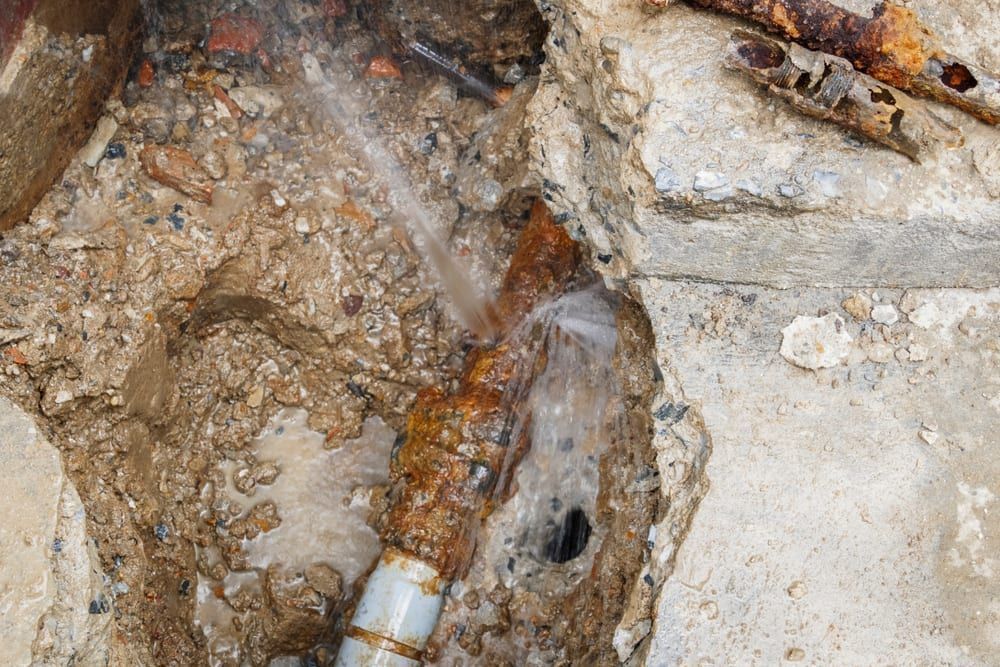
A sudden, significant water leak is one of the clearest indicators of a plumbing emergency. These leaks can originate from burst pipes, damaged fixtures, or faulty connections. For instance, a pipe rupture in the basement or behind walls can flood rooms within minutes, potentially causing structural damage, mold growth, and costly repairs.
Signs of an Emergency Leak:
- Water gushing or spraying uncontrollably
- Pools of water forming quickly on floors
- Water pressure dropping suddenly in multiple fixtures
Best Practices:
- Shut off the main water supply immediately
- Remove valuables and electronics from the affected area
- Contact a professional plumber without delay.
Sewage Backup and Blockages
Sewage backups are not only messy but also hazardous to health. Raw sewage contains bacteria and pathogens that pose serious health risks. Any backup in toilets, sinks, or floor drains should be treated as an emergency.
Emergency Indicators:
- Multiple fixtures backing up simultaneously
- Foul odors that persist despite ventilation
- Water rising above the normal drain level
Immediate Actions:
- Avoid contact with contaminated water
- Shut off the water supply to affected areas
- Call a licensed plumber who can safely remove blockages and sanitize the area
Common Non-Emergency Plumbing Issues
Minor Drips and Leaks
A slow drip from a faucet or minor leak under a sink is inconvenient but generally does not constitute an emergency. These issues can be scheduled for repair without risk of immediate damage.
Examples:
- A faucet dripping intermittently
- Slight leak under the sink cabinet with minimal water pooling
- Slow-running toilet fill valve
Actionable Advice:
- Monitor water accumulation and track the frequency of the leak
- Schedule maintenance or repair with a professional at a convenient time
- Fixing minor leaks promptly can still prevent higher water bills and long-term damage
Low Water Pressure
Low water pressure often signals a partial clog, sediment buildup, or an issue with the municipal supply. While frustrating, it typically does not require urgent attention unless paired with other symptoms, such as leaks or burst pipes.
Indicators of Low-Pressure Non-Emergencies:
- Weak shower or faucet flow
- Gradual decrease over weeks rather than sudden drop
Best Practices:
- Check aerators and filters for clogs
- Flush water heater periodically to remove sediment
- Consult a plumber for evaluation during routine maintenance
How to Handle Mid-Level Plumbing Issues
Clogged Drains
A clogged drain is a common annoyance that can escalate if ignored. While most slow drains are not emergencies, a complete blockage in sinks or showers that prevents water flow can disrupt daily routines.
Common Causes:
- Hair, soap, and debris buildup in bathroom drains
- Grease and food particles in kitchen sinks
Tips for Management:
- Use a plunger or drain snake for minor blockages
- Avoid chemical drain cleaners that may damage pipes
- Call a plumber if blockages persist or involve multiple drains
Running Toilets
A toilet that runs continuously can waste significant amounts of water, increase utility bills, and indicate underlying issues with the flapper, fill valve, or overflow tube.
Non-Emergency Indicators:
- Water is running but not overflowing
- No visible leaks outside the toilet
Recommended Approach:
- Turn off the water supply to the toilet if water waste becomes excessive
- Schedule repair to replace faulty components
- Routine inspections prevent more serious complications
Situations Requiring Immediate Professional Intervention
Burst Pipes
A burst pipe is a plumbing emergency that demands immediate attention. These incidents can be caused by freezing temperatures, aging infrastructure, or high water pressure.
Emergency Response:
- Shut off the main water supply immediately
- Move items away from the affected area
- Call a professional plumber for quick repair and assessment
Potential Consequences:
- Severe water damage to walls, floors, and ceilings
- Mold growth if not addressed promptly
- Structural compromise in extreme cases
Gas Line Leaks
Although less common than water-related emergencies, gas line leaks are extremely dangerous. Any suspected gas leak requires immediate evacuation and professional intervention.
Emergency Indicators:
- Smell of rotten eggs near gas appliances
- Hissing sounds from gas lines
- Sudden unexplained increase in gas bills
Best Practices:
- Evacuate the home immediately
- Do not use electrical switches, phones, or open flames
- Contact the gas company and a licensed plumber for emergency repair
The Role of Preventive Measures
Routine Inspections
Regular plumbing inspections help identify potential issues before they become emergencies. A licensed plumber can check for corrosion, leaks, and signs of wear in your system.
Benefits of Routine Checks:
- Early detection of slow leaks and pipe damage
- Prevention of costly water damage
- Improved efficiency of plumbing systems
Water Pressure Regulation
Maintaining proper water pressure prevents stress on pipes and fixtures, reducing the likelihood of burst pipes. Pressure regulators and expansion tanks can help maintain safe levels.
Practical Tips:
- Test home water pressure with a gauge
- Install pressure regulators if necessary
- Schedule maintenance to ensure system integrity
Seasonal Preparations
Weather extremes can significantly impact plumbing systems. Preparing pipes for freezing temperatures or high-demand periods prevents emergencies.
Key Practices:
- Insulate exposed pipes during winter
- Drain outdoor hoses and irrigation systems
- Monitor water usage and pressure during summer months
DIY vs. Professional Intervention
Knowing When to Act
Homeowners can handle minor clogs, running toilets, and faucet drips safely with basic tools and guidance. However, any situation involving major leaks, sewage backup, gas, or structural damage requires professional intervention.
Advantages of Professional Help:
- Expertise in diagnosing hidden issues
- Access to specialized tools and equipment
- Ensures compliance with safety and building codes
Risks of DIY in Emergencies
Attempting to repair severe plumbing emergencies without proper knowledge can worsen damage or create hazardous conditions. For example, improperly handled sewage or gas leaks can pose health and safety risks.
Best Practice:
- Prioritize safety first
- Turn off water or gas supplies when needed
- Contact a licensed professional for emergency repairs
Tips for Minimizing Emergency Situations
Monitor Signs Early
Paying attention to subtle signs, such as damp spots, unusual noises, or fluctuating water pressure, can help prevent emergencies. Early detection is often the difference between minor repairs and major expenses.
Keep Emergency Contacts Handy
Having a trusted plumber on call ensures immediate response during critical situations. Keep contact numbers easily accessible for both day and night emergencies.
Educate Household Members
All family members should know basic emergency procedures, including the location of shut-off valves and how to safely turn off water or gas. Quick action can prevent significant damage.
Your Trusted Partner for Plumbing Emergencies and Maintenance
Plumbing emergencies can range from sudden burst pipes to minor inconveniences, but knowing the difference is essential for every homeowner. Recognizing true emergencies, understanding non-urgent issues, and taking preventive measures all contribute to safer, more efficient plumbing management. By monitoring your system, addressing mid-level problems promptly, and enlisting professional help when necessary, you can avoid costly repairs and maintain peace of mind.
Confluent Solutions, based in Fort Worth, Texas, brings over 33
years of expertise in plumbing services, specializing in emergency response and preventative maintenance. Our team understands the unique plumbing challenges faced by local homeowners and is equipped to handle any situation efficiently and professionally. From routine inspections to urgent repairs, Confluent Solutions
ensures safety, reliability, and lasting solutions. Homeowners can trust us to deliver expert service, rapid response times, and a commitment to preserving the integrity of their homes. With Confluent Solutions, every plumbing concern receives the attention it deserves, ensuring that emergencies are handled swiftly and non-urgent issues are managed effectively.