
Trenchless vs. Traditional Digging: Which Sewer Replacement Is Best for Fort Worth Homes?
Sewer line replacement is one of the most critical yet often overlooked aspects of residential plumbing infrastructure. In Fort Worth homes, aging pipelines, shifting soil conditions, and tree root intrusion frequently lead to sewer damage that requires timely intervention. When such issues arise, homeowners are typically presented with two primary solutions: trenchless sewer replacement and traditional digging methods. Each approach offers distinct advantages, limitations, and cost implications, making the decision highly dependent on property conditions and long-term expectations. These factors directly influence system reliability, repair longevity, and future maintenance requirements across residential properties.
Understanding the differences between these two methods is essential for making an informed choice. While traditional excavation has been used for decades, modern trenchless technology has revolutionized how sewer systems are repaired and replaced with minimal disruption. Homeowners today are not only concerned about repair efficiency but also about landscaping preservation, project duration, and overall property impact. This makes the comparison between trenchless and traditional methods especially relevant in today’s plumbing industry, where innovation continues to reshape service standards and customer expectations. Evaluating both options carefully helps ensure smarter investment decisions and long-term infrastructure stability for residential sewer systems.
This guide provides a clear, detailed breakdown of both sewer replacement methods, helping homeowners evaluate which solution best aligns with structural needs, budget considerations, and long-term durability requirements.
Traditional Sewer Digging Method
Understanding the Process
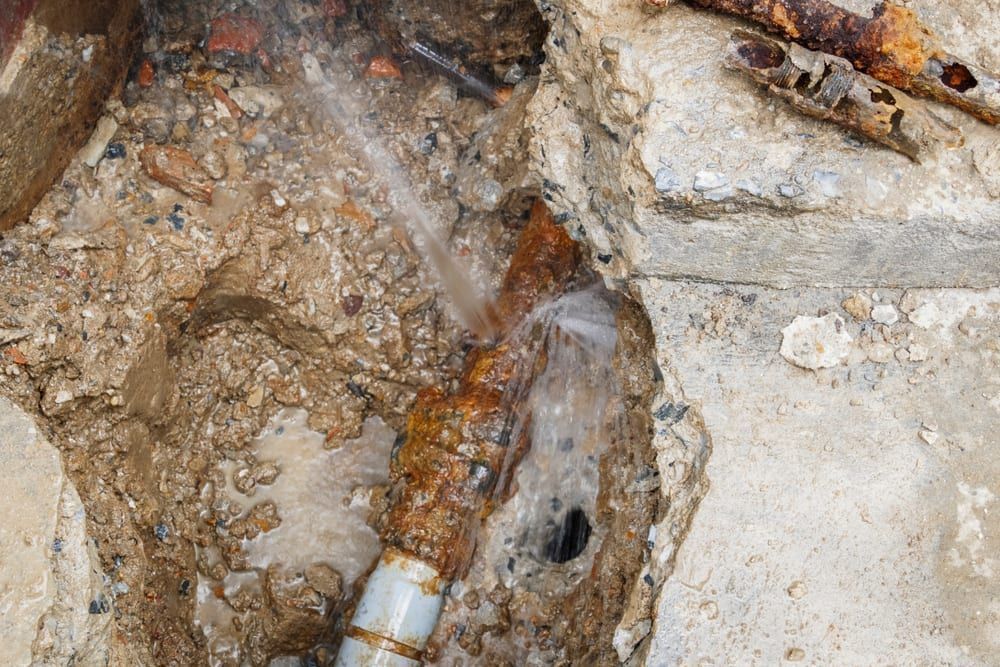
Traditional sewer replacement involves excavating a continuous trench along the damaged pipeline. This method requires heavy machinery to dig through soil, expose the entire pipe, and replace it manually. Once installation is complete, the trench is filled and compacted with careful restoration of the affected ground surface layers.
When Traditional Digging Is Used
Traditional excavation is often necessary when:
- Pipes have collapsed completely
- Severe misalignment exists in the sewer line
- Access points are limited or blocked
- Extensive pipe sections require full replacement
-
In older Fort Worth neighborhoods, where sewer systems were installed decades ago, this method remains common due to outdated infrastructure conditions, aging materials, and limited modernization of underground utility layouts.
Advantages of Traditional Excavation
One of the strongest benefits of this method is full visual access to the entire pipeline. This allows for accurate inspection of surrounding soil conditions and complete replacement without uncertainty. It also ensures long-term reliability when installed correctly, as all damaged sections are physically removed and replaced with new durable piping materials designed for stability.
Limitations and Property Impact
Despite its effectiveness, traditional digging comes with significant disruption. Large portions of landscaping, driveways, or sidewalks may need to be removed. Restoration costs can increase project expenses considerably. Additionally, project timelines tend to be longer due to excavation, repair, and cleanup phases that require multiple coordinated steps and surface reconstruction efforts afterward.
Trenchless Sewer Replacement Technology
How Trenchless Methods Work
Trenchless sewer replacement minimizes surface disruption by repairing or replacing pipes through small access points. Instead of digging an entire trench, specialized equipment is used to either reline or burst the existing pipe while installing a new one, preserving surrounding soil structure and surface infrastructure integrity throughout the process.
Common Trenchless Techniques
Two widely used methods include:
Pipe Lining (Cured-in-Place Pipe - CIPP):
A flexible resin-coated liner is inserted into the damaged pipe and cured to form a new internal pipe structure, creating a seamless, durable, corrosion-resistant interior layer that restores full functionality.
Pipe Bursting:
A bursting head breaks the old pipe apart while simultaneously pulling a new pipe into place, effectively replacing the entire line without requiring full-length excavation across the property.
Key Benefits of Trenchless Solutions
This modern method offers several advantages:
- Minimal landscape disruption
- Faster completion time
- Reduced labor requirements
- Lower restoration costs
- Strong, corrosion-resistant pipe formation
Homeowners in Fort Worth benefit significantly from reduced yard damage, especially in properties with established landscaping or hardscaping, mature trees, and permanent outdoor installations that are difficult to replace.
Limitations of Trenchless Methods
Trenchless solutions may not be suitable in every situation. Severely collapsed pipes or heavily offset lines may prevent proper installation. Additionally, initial costs can be higher depending on the complexity of the system and materials used. A professional inspection is necessary to confirm feasibility and ensure structural compatibility before proceeding.
Cost Comparison and Long-Term Value
Initial Investment Differences
Traditional excavation often appears less expensive upfront due to simpler material costs. However, additional expenses such as landscaping restoration, concrete replacement, and extended labor can increase the total project cost significantly beyond initial estimates.
Trenchless methods typically have higher initial pricing due to specialized equipment and technology but often eliminate many secondary restoration expenses, making overall project budgeting more predictable and controlled.
Hidden Costs to Consider
Homeowners frequently overlook hidden costs, including:
- Lawn and garden restoration
- Driveway or sidewalk repair
- Extended labor hours
- Temporary property access limitations
When these factors are included, trenchless solutions often become more cost-efficient over time, especially for properties with extensive exterior development or decorative landscaping features.
Long-Term Durability
Both methods provide durable results when performed correctly. However, trenchless liners are resistant to corrosion, root intrusion, and scaling, offering extended lifespan benefits under varying soil conditions. Traditional replacement provides equally strong durability but depends heavily on soil compaction quality and installation precision standards.
Value for Fort Worth Homes
Given the clay-heavy soil conditions in Fort Worth, pipe shifting and root intrusion are common challenges affecting sewer systems. Trenchless systems often perform better in such environments due to their seamless structure, flexibility, and resistance to ground movement over time.
Property Impact and Environmental Considerations
Surface Disruption and Restoration
Traditional digging significantly impacts outdoor spaces. Driveways, patios, and gardens often require reconstruction after sewer replacement. This can alter property aesthetics and increase project recovery time, requiring additional planning and financial investment for full restoration.
Trenchless methods preserve most surface structures, allowing homeowners to maintain existing landscaping and hardscapes with minimal disturbance, reducing both visual and structural disruption significantly.
Environmental Impact
Trenchless technology generates less waste soil and reduces the need for heavy machinery operation over extended periods. This leads to lower fuel consumption, reduced emissions, and a smaller overall environmental footprint during sewer replacement projects.
Traditional excavation, while effective, involves extensive soil displacement and material removal, which can increase environmental disruption and require additional disposal logistics and transportation resources.
Urban and Residential Suitability
In densely built Fort Worth neighborhoods, trenchless methods offer a practical advantage due to limited space and accessibility challenges. Traditional methods may still be necessary in open properties where excavation is easier to manage and restoration is less disruptive to surrounding structures.
Choosing the Right Method for Fort Worth Homes
Key Factors to Evaluate
Selecting the appropriate sewer replacement method depends on several factors:
- Pipe condition and damage severity
- Soil composition and stability
- Property layout and accessibility
- Budget constraints
- Long-term maintenance expectations
Each factor plays a critical role in determining feasibility, cost efficiency, and long-term system performance reliability.
Situational Decision-Making
Trenchless solutions are ideal when pipes are structurally intact but damaged internally. Traditional digging is more suitable when pipes have collapsed or require complete realignment due to severe structural failure or misalignment across multiple sections.
Professional Assessment Importance
Accurate diagnosis through video inspection and site evaluation is essential before deciding. Misjudging pipe conditions can lead to ineffective repairs or repeated failures, increasing long-term costs and reducing system reliability over time.
Expert Recommendation Approach
A balanced approach often yields the best outcome. In some cases, a hybrid solution combining limited excavation with trenchless repair may provide optimal results for both cost and performance, ensuring structural integrity while minimizing surface disruption and restoration needs.
Trusted Sewer Replacement Guidance From Confluent Solutions
Reliable sewer replacement requires precision, experience, and a deep understanding of underground plumbing systems. At Confluent Solutions, we approach every project with a focus on accuracy, durability, and long-term performance. With over 33+ years of hands-on experience in residential plumbing systems, advanced diagnostic tools and proven repair strategies are applied to identify the most effective solution for each property. Every sewer challenge is assessed thoroughly to determine whether trenchless technology or traditional excavation delivers the most efficient outcome. This ensures each decision is backed by technical insight and practical field expertise for lasting results.
Our approach prioritizes property protection, system longevity, and cost-effective results without compromising quality. Complex sewer line issues in Fort Worth require more than basic repair techniques; they demand structured evaluation and technical expertise that ensures lasting performance under local soil conditions and environmental stress factors. From initial inspection to final installation, every step is handled with a commitment to high standards and dependable service delivery. Continuous attention to detail ensures reduced risk of future failures and improved system efficiency.
Homeowners receive clear guidance throughout the decision-making process, ensuring full transparency and confidence in the chosen method. Whether addressing severe pipe damage or implementing
modern trenchless solutions, focus remains on delivering reliable sewer systems that support long-term residential stability and peace of mind. Every project is completed with a strong emphasis on reliability, safety, and long-term value for every property serviced.