
Warning Signs of a Gas Leak Every Fort Worth Homeowner Should Know
Natural gas is a common energy source in homes across Fort Worth, Texas, powering everything from stoves to heating systems. While it provides efficient and reliable energy, it also poses serious risks if not handled correctly. Gas leaks are particularly dangerous because they are often invisible and odorless in their natural state. Left undetected, even minor leaks can escalate into life-threatening situations, including fires, explosions, or long-term health issues. For homeowners, understanding the warning signs of a gas leak is not just a matter of maintenance—it’s a matter of safety. Awareness and vigilance are essential, as even small oversights can have severe consequences. Educating yourself about potential risks can help prevent accidents before they occur.
Recognizing the signs early can prevent potentially catastrophic outcomes and help ensure that your home remains a safe environment for your family. Many homeowners, however, may overlook subtle indications of a leak, mistaking them for normal household issues. This guide provides a comprehensive look at the most common warning signs of gas leaks, offering practical insights on detection, prevention, and immediate action. By familiarizing yourself with these indicators, you can act quickly, protect your property, and maintain peace of mind knowing your home is secure. Implementing proactive safety measures not only safeguards your family but also protects your investment in your home. Understanding these risks empowers homeowners to respond appropriately in emergencies.
Detecting the Smell of Gas
Recognizing the Distinct Odor
One of the most critical warning signs of a gas leak is the presence of a distinct, sulfur-like odor, often described as smelling like rotten eggs. Natural gas is naturally odorless, but utility companies add mercaptan—a chemical with a strong, pungent smell—to make leaks quickly detectable. If you notice this smell in your kitchen, near appliances, or around gas lines, it should never be ignored, as even small leaks can escalate into serious emergencies rapidly.
Differentiating Gas Odors from Household Scents
Sometimes, homeowners may confuse the smell of mercaptan with spoiled food or sewer gases, causing unnecessary delays in response. To avoid this, it is essential to note when the odor is concentrated around gas appliances, vents, or pipelines rather than general household trash or plumbing systems. A sudden, unexplained sulfur-like smell can be an immediate red flag for a leak, signaling the need for professional inspection without hesitation.
Real-World Example
Consider a homeowner in Fort Worth who noticed the faint scent of rotten eggs near their water heater one evening. Initially dismissed as food waste, further investigation revealed a minor leak in the gas line, which was promptly repaired by a licensed technician. Acting on the odor early prevented a potentially hazardous situation, protecting both property and family from harm.
Observing Physical Symptoms and Health Effects
Headaches, Nausea, and Fatigue
Exposure to gas leaks can produce noticeable physical symptoms that are often subtle but dangerous. Homeowners may experience headaches, dizziness, nausea, or fatigue while inside the house, particularly near gas appliances. These symptoms often improve once the person leaves the home or ventilates the area, making them easy to overlook. If multiple household members experience these issues simultaneously, it strongly indicates a leak that requires immediate attention from qualified professionals.
Shortness of Breath and Respiratory Irritation
Gas exposure can also irritate the respiratory system, causing coughing, wheezing, or difficulty breathing even in short-term scenarios. This is particularly concerning for individuals with pre-existing respiratory conditions, as it can exacerbate symptoms and significantly increase health risks if not addressed promptly. Understanding these effects allows homeowners to respond quickly before the situation worsens.
Recognizing the Pattern
Pay attention to when these symptoms occur and which areas of your home are affected. If discomfort arises specifically when using a gas stove, furnace, or near water heaters, it strongly indicates a possible leak. Documenting these patterns can assist professionals in pinpointing the source and help ensure the correct repairs are completed efficiently.
Unusual Appliance Behavior
Pilot Lights That Won’t Stay Lit
Gas-powered appliances, such as stoves, water heaters, or furnaces, often have pilot lights that ignite the fuel consistently. If a pilot light repeatedly goes out, it may signal an inconsistent gas flow caused by a leak, damaged connection, or improper ventilation. Ignoring this can lead to appliance malfunction or even dangerous situations, so it is critical to address the issue immediately.
Irregular Flame Color
A properly functioning gas flame burns blue and steadily. If the flame appears yellow, orange, or flickers unusually, it could indicate incomplete combustion, often caused by a leak, insufficient oxygen flow, or debris in the burner. These irregularities should be inspected promptly by a licensed professional to prevent accidents and ensure proper appliance efficiency.
Appliances Turning On or Off Unexpectedly
Another sign is appliances acting erratically, turning on or off without user input, which may indicate pressure changes or leaks in the gas supply line. Such behavior signals potential hazards and should be evaluated immediately by a licensed technician to avoid serious safety risks and maintain household comfort.
Physical Signs Around the Home
Hissing or Whistling Sounds
A subtle hissing or whistling noise near gas lines, meters, or appliances often indicates escaping gas under pressure. While not always loud, these sounds are significant indicators of leaks and should be treated as urgent. Ignoring them could increase the risk of fire or explosion if the leak worsens over time.
Dead or Dying Vegetation
Gas leaks near outdoor pipelines may damage grass, shrubs, or plants, causing them to appear unhealthy or brown unexpectedly. High concentrations of natural gas can displace oxygen in the soil, leading to dying vegetation around pipelines. If you notice patches of plants wilting inexplicably near your home’s gas lines, it warrants immediate investigation to prevent potential hazards.
Bubbling Water or Soil
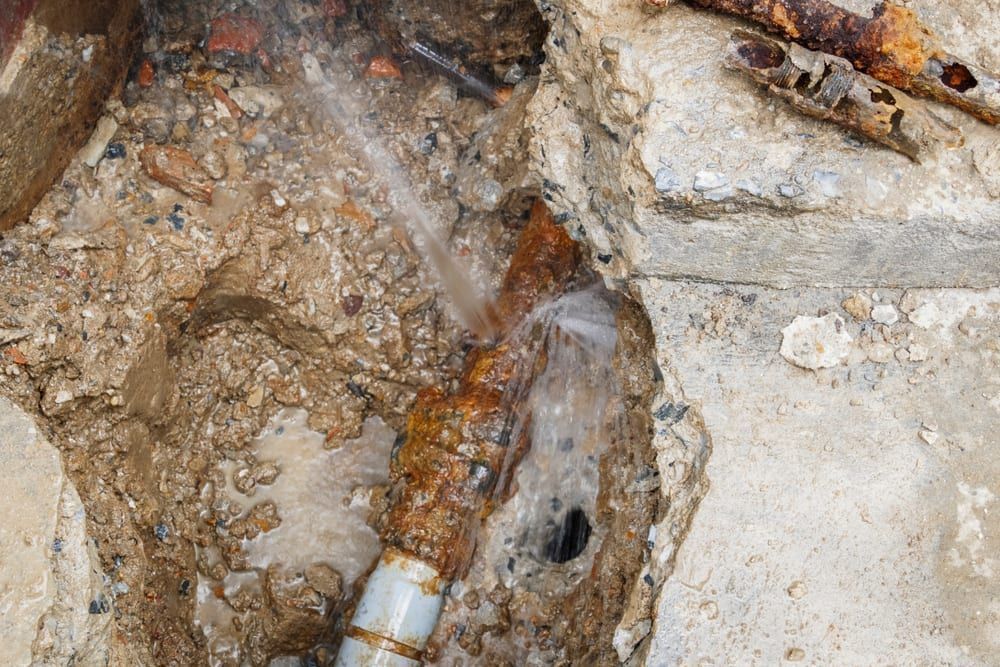
If a gas leak occurs underground, it can create bubbles in puddles, wet soil, or water features unexpectedly. Homeowners should be cautious when noticing unexplained bubbling near buried lines or meters, as this is often an early warning sign of a leak that requires urgent professional inspection.
Equipment and Utility Indicators
Gas Meter Irregularities
Regularly checking your gas meter can reveal subtle signs of a leak before it becomes dangerous. If the meter continues to run while all gas appliances are off, it indicates gas is escaping somewhere in the system. Homeowners should monitor the meter monthly, record readings carefully, and contact professionals immediately if anomalies are observed.
Excessive Gas Bills
A sudden spike in your gas bill without increased usage can point to a hidden leak within your home’s system. While other factors may contribute, unexpected increases in consumption are often a direct result of escaping gas. Prompt investigation can save money and prevent potential safety hazards.
Smart Detectors and Alarms
Installing modern gas detectors provides an extra layer of safety and real-time monitoring. These devices can alert homeowners to even minor leaks early, offering critical time to respond. Integrating smart detectors ensures faster action, reduced risk of damage, and greater overall household safety.
Emergency Response and Prevention Measures
Immediate Action Steps
If you suspect a gas leak, take precautions immediately: do not operate electrical switches, avoid open flames, evacuate the area, and call your gas utility or a licensed professional right away. Quick, decisive action can prevent explosions, serious injuries, or property damage and is essential for every household member’s safety.
Routine Maintenance and Inspections
Regular inspection of gas appliances, pipelines, and connections reduces the risk of leaks dramatically. Hiring certified technicians to check for corrosion, loose fittings, or wear and tear ensures your system functions safely and efficiently. Preventive maintenance is always more cost-effective than emergency repairs.
Professional Installation and Upgrades
Older homes may have outdated gas systems that are prone to leaks and inefficiency. Investing in professional upgrades, including modern appliances and updated pipelines, enhances safety and improves energy efficiency. Always rely on licensed professionals for installation or repair work to guarantee proper functioning and compliance with safety codes.
Community Awareness and Safety Education
Fort Worth homeowners benefit from understanding local safety regulations, participating in community workshops, and familiarizing themselves with gas emergency protocols. Knowledge, preparation, and awareness are critical for mitigating risks effectively and ensuring your home remains a safe environment for all residents.
Reliable Fort Worth Professionals Securing Gas Systems
Gas leaks are serious hazards that require immediate attention. From the unmistakable odor of mercaptan to physical symptoms, appliance irregularities, and unusual signs in your yard, being vigilant can prevent dangerous incidents. Recognizing these warning signs early allows homeowners to take proactive steps, including evacuation, professional inspections, and routine maintenance, ensuring both personal safety and property protection. While minor leaks may seem inconsequential, their potential consequences demand prompt action and ongoing awareness.
For Fort Worth residents, trusting experienced professionals is the most reliable way to manage gas safety. Confluent Solutions, a trusted plumbing service provider with over 33
years of experience, offers comprehensive
gas system inspections, repairs, and preventive maintenance. Our team is committed to protecting your home and family by identifying potential hazards before they become emergencies. With local expertise, licensed technicians, and a reputation built on reliability and excellence, Confluent Solutions
provides peace of mind to homeowners, ensuring your gas systems remain safe, efficient, and fully compliant with industry standards.