
Water Bill Spiked but No Visible Leak? Why Slab Leaks Hide for Months
Quick Answer: A water bill that jumps with no puddle, no drip, and no obvious cause is one of the clearest signs of a slab leak. Water escaping under a concrete foundation has nowhere to surface fast — it soaks into the soil, follows old utility trenches, and can run for weeks or months before a warm spot or a cracked tile finally gives it away. The fastest way to check is a water meter test: shut off every fixture and appliance, then watch the low-flow indicator. If it keeps spinning, water is moving somewhere you can't see. From there, acoustic listening equipment and pressure testing can pinpoint the exact spot under the slab without tearing up the floor.
You've checked the bill twice. Nobody left a hose running, the toilets aren't cycling, and there's no wet carpet or puddle under the sink to explain it. Still, your water bill jumped 40 or 50 percent over last month and hasn't come back down. That gap — the bill says water is running, but nothing looks wrong — is exactly where slab leaks live. It's also why so many homeowners go months without realizing one is underway.
Why a Slab Leak Doesn't Announce Itself
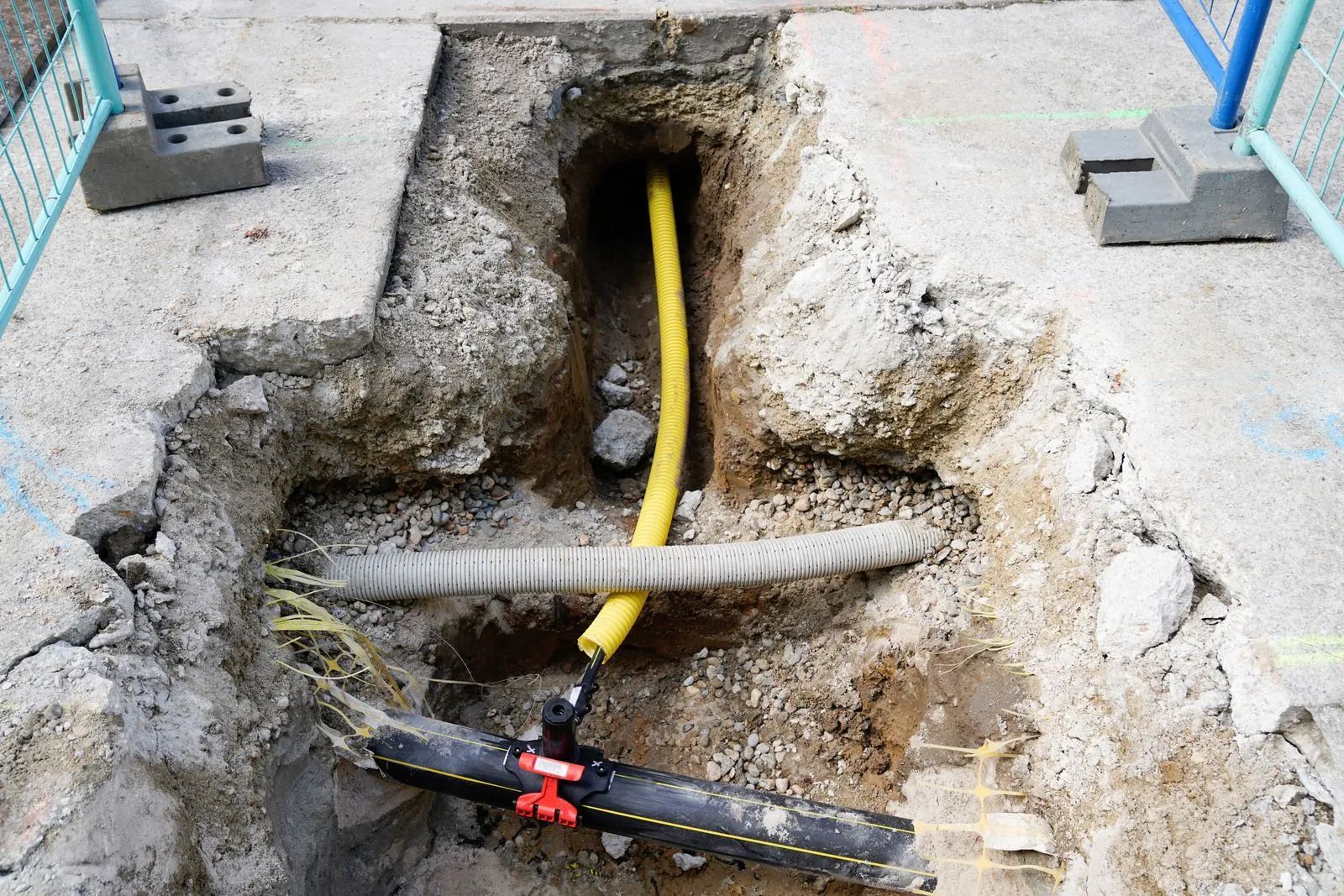
A leak under a sink shows up fast because the water has nowhere to go but down, onto a surface you can see. A slab leak works differently. The pipe sits beneath several inches of concrete and packed soil. When copper or PEX develops a pinhole or a joint fails, the water's first move is sideways and down into the ground below the house, not up into your living room.
Soil hides the evidence. Fort Worth homes tend to sit on expansive clay, and clay is good at soaking up water without changing much on the surface. A leak can saturate the soil under a slab for a long stretch before enough pressure builds to push moisture up through a control joint, a hairline crack, or the edge of a floor covering.
Water also tends to travel sideways before it travels up. Underground plumbing runs, sand beds, and old utility trenches act like channels, so escaping water often follows those channels instead of pooling right under the leak. A warm patch on tile or a damp spot on carpet can show up several feet from where the pipe actually failed. That's part of why people blame a spilled drink or a humid week instead of digging further.
I've seen homeowners spend weeks chasing a "mystery" damp spot in a hallway, only to find the actual pipe failure was under a bathroom on the other side of the wall. The water simply found the easiest path through the fill dirt and surfaced somewhere else entirely. That's not a fluke. It's how slab leaks behave most of the time.
And the leak itself is often small. A pinhole in a copper line doesn't have to gush to matter. It can leak at a slow, steady rate for weeks, adding up to hundreds of gallons across a billing cycle without ever flooding anything. A slow leak still shows up on the meter, even when it never shows up on the floor.
The Two Root Causes Behind Most Hidden Slab Leaks
Clay soil movement puts real stress on the pipe. North Texas clay expands when it takes on moisture and shrinks as it dries, cycling through wet spring stretches and dry summer months. The ground under a foundation doesn't move as one solid piece — different sections swell and settle at different rates, which bends and shears rigid pipe runs that were never built to flex that way. Over months or years, that stress can crack a joint, kink a copper line, or thin out a section of pipe until it fails. Because the movement is gradual, the resulting leak usually starts small. Small is exactly the kind of leak that hides.
Copper pipe also corrodes from the inside out. Older copper supply lines are vulnerable to pitting corrosion, where one localized weak spot on the interior wall erodes until it opens a pinhole. Water chemistry, oxygen content, even stray electrical current in the ground can speed this along. Pitting doesn't weaken the whole pipe evenly — it creates a single failure point that can leak quietly for a long time before the metal around it gives way too. Homes with original copper plumbing from decades ago are the most likely candidates for this kind of slow failure.
Both causes point to the same practical truth: the leak isn't sudden, and it isn't loud. It's a gradual failure that shows up first as a number on a bill, not a puddle on the floor.
Homes built during North Texas's biggest growth stretches, from the 1970s through the 1990s, often carry the same slab-on-grade construction and the same copper supply lines that are now decades old. Add a summer of drought followed by a wet fall, and the clay under that foundation has already gone through a few rounds of shrinking and swelling before anyone notices a thing. None of that shows up on a home inspection unless someone is specifically testing for it.
What to Check Before You Call Anyone
Read the meter with everything off. Turn off every fixture, appliance, ice maker, and irrigation zone in the house. Then find your water meter and locate the low-flow indicator, usually a small triangle, star, or spinning dial built to register even a trickle. Nothing using water, but that indicator's still moving? Water is flowing somewhere in the system. Note the reading, wait an hour without using any water, and check it again. Any increase confirms a leak.
Narrow it down to inside or outside. If your house has a main shutoff valve, close it and watch the meter again. Indicator stops moving? The leak sits between the meter and the shutoff, usually the service line. Still moving with the house valve closed? The leak is on the meter side, which often points to irrigation rather than the slab. If you run a sprinkler system, shutting off its supply valve separately can rule that in or out before you jump to the worst-case answer.
Compare bills, not just this month. One high bill can be a fluke — a full bathtub, guests staying over, a garden hose left on overnight. A pattern of climbing usage across two or three billing cycles, with no matching change in household habits, is a much stronger signal that something under the house has been leaking the whole time.
Tip: Keep a simple log of your meter reading on the same day each week for a month. A steady upward trend, even during weeks of normal water use, is one of the most reliable early indicators of a slow slab leak — well before any physical sign shows up.
How Professionals Confirm and Locate the Leak
Once the meter test points to an under-slab leak, guessing where to open the floor isn't a plan. Professional detection leans on a few methods that work together, each suited to a different situation.
Acoustic listening equipment picks up on sound. Escaping water under pressure creates a distinct sound signature that travels through pipe and soil. Sensitive listening devices placed at points across the slab pick up variations in that sound and narrow the search to a specific zone instead of the whole foundation.
Pressure testing measures how fast things drop. Isolating sections of the plumbing system and watching how quickly pressure falls confirms whether a leak exists in that segment and gives a rough read on how bad it is. A fast drop usually means a larger, more active leak. A slow drop points to the kind of small, steady leak that's been running under the radar for a while.
Thermal imaging reads temperature. Warm-water lines that are leaking often raise the surface temperature of the slab just above the affected area — a difference too small to feel by hand but easy for a thermal camera to catch. This method works best on hot-water side leaks and usually gets paired with acoustic testing rather than used alone.
Run these together and a technician can isolate the leak to a specific section of pipe before any concrete or flooring gets touched. That keeps the repair targeted instead of exploratory.
None of these tools work in isolation, and that's the point. A dial that's spinning tells you a leak exists. Acoustic and thermal readings tell you roughly where. Pressure testing tells you how urgent it is. Skip a step and you're back to guessing which corner of the house to open up.
Repair Approaches Once the Leak Is Located
Finding the leak is only half the job. How it gets fixed depends on the pipe's condition, where it sits, and whether the rest of the line shows the same wear that caused this failure in the first place.
Targeted access repair works when the leak is isolated to a small section and the rest of the line is sound. A technician opens a limited area of slab or wall directly above the failure, repairs or replaces that segment, and closes it back up. Disruption stays contained to one spot.
Tunneling underneath the foundation makes sense for leaks in interior sections where cutting through flooring isn't practical. Reaching the pipe from an exterior access point avoids disturbing floors or interior finishes at all. It takes longer than a surface repair, but nothing inside the living space gets torn up.
Pipe rerouting is the move when the existing line shows multiple stress points, corrosion running its length, or a pattern of repeat failure. Installing a new line through an accessible path — often overhead through the attic or along a wall — bypasses the compromised underground run instead of patching it piece by piece. For pipe that's failed more than once, this tends to hold up longer than repairing the same section again.
Warning: A slab leak that goes unaddressed doesn't stay contained to the plumbing. Water intrusion into the soil under a foundation can erode support material and create voids, and over time that contributes to uneven settling and cracking in the slab itself. The plumbing problem and the structural risk are connected — which is a big part of why an early, accurate diagnosis matters more than most homeowners assume.
Frequently Asked Questions
How much of a water bill increase is significant enough to investigate?
A water bill increase of 20 percent or more without changes in household habits is worth investigating. Compare several billing cycles and perform a meter test to determine whether unexplained water usage continues.
Can a slab leak exist without raising the water bill at all?
Yes, although it is uncommon. A very small pinhole leak may initially use little water. However, most slab leaks eventually increase consumption enough to appear on your monthly water bill.
Does a water heater running more than usual mean the leak is on the hot side?
Not necessarily, but increased water heater cycling can be a useful clue. Combined with higher energy usage or warm flooring, it may indicate a leak affecting a hot-water supply line.
Is it normal for the leak detector dial on a meter to move slightly even without a leak?
A brief flutter may result from pressure changes. However, steady movement while all fixtures and appliances are off usually indicates water is flowing somewhere within the plumbing system.
How long can a slab leak run before it causes visible damage?
A slab leak can remain hidden for months, particularly when the leak is small and surrounding soil absorbs the water. Visible signs may appear only after significant moisture accumulates beneath the foundation.
Should I keep using water normally while I investigate a suspected slab leak?
Essential water use is reasonable during an initial meter test. Once a leak is confirmed, reducing unnecessary water consumption can help limit additional moisture entering the soil beneath your foundation.
Understanding the Hidden Leak Before Damage Appears
A higher-than-normal water bill without any visible signs of a plumbing problem is often the earliest indication that water is escaping somewhere out of sight. Because slab leaks occur beneath concrete foundations, they can remain hidden for months while steadily increasing water usage and saturating the soil below the home. In Fort Worth, TX, where shifting clay soils place additional stress on underground plumbing, these leaks frequently develop gradually and reveal themselves on utility statements long before they appear on floors, walls, or ceilings.
With 33+ years of experience, Confluent Solutions
has seen how early detection can prevent a minor underground leak from becoming a larger structural concern. Paying attention to unexplained increases in water consumption, performing simple meter checks, and understanding how slab leaks behave can help homeowners identify a problem sooner and avoid the costly consequences that often come with prolonged water intrusion beneath a foundation.