
Warm or Wet Spot on the Slab Floor? Why It Could Be a Hot-Water Slab Leak
Quick Answer: A warm or wet spot on a slab floor with no appliance nearby usually means a pressurized water line is leaking beneath the concrete, and when the spot feels warm it points specifically to the hot-water line. Heat and moisture from the escaping water rise through the slab, so the floor telegraphs a problem that is happening a foot or more below your feet. It does not clear up on its own. The right move is to confirm the leak with a simple meter check, limit water use, and have the line located before the water works on the soil and the flooring.
You are walking barefoot across the house on an ordinary morning and one patch of tile stops you. It is warm, noticeably warmer than the floor around it, and there is no vent, no sunlit window, and no appliance anywhere near it. Maybe a day or two later the grout darkens, a corner of carpet feels damp, or a faint musty smell settles into that part of the room. Nothing spilled, nothing overflowed, and yet the floor keeps telling you something is wrong right there.
That warm or damp spot is one of the clearest early signals of a slab leak, and it is worth taking seriously. Under a slab-on-grade home, the water lines run through or below the concrete, hidden from view. When one of those pressurized lines fails, the water has nowhere to go but into the soil and up through the slab, and the first thing you notice is often heat or moisture where there should be neither. Here is what that spot is actually telling you and how the problem gets tracked down.
What a Warm or Wet Spot on the Floor Is Actually Telling You
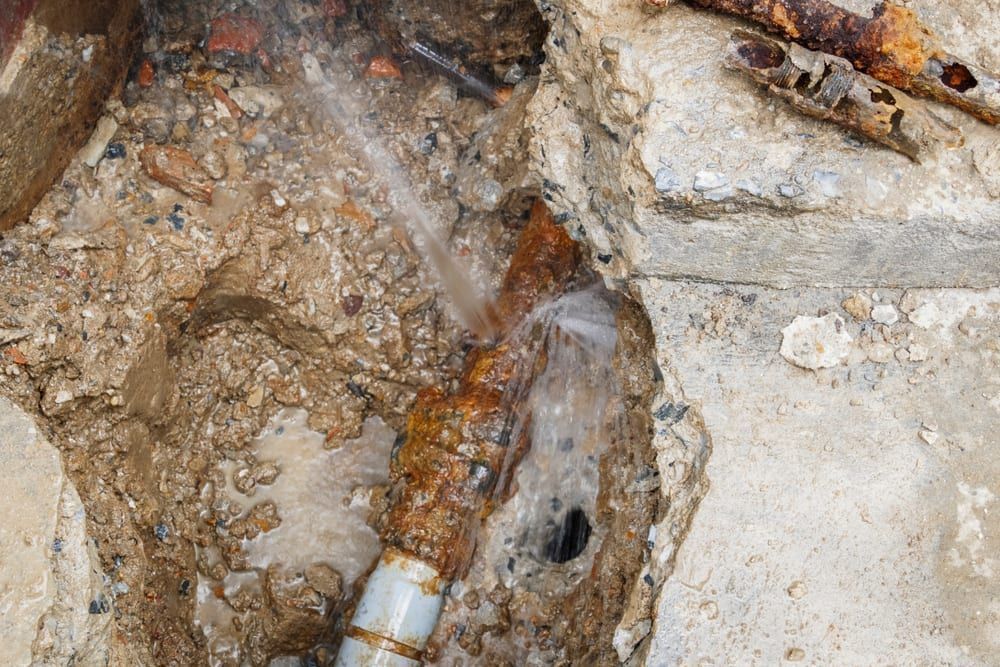
A slab leak is a leak in a water line encased in or running beneath the concrete foundation your home sits on. Because the pipe is buried, the leak stays out of sight and reveals itself only through secondary signs on the surface. A warm or wet spot is one of the most telling of those signs.
Warmth means the hot-water side
When escaping water is hot, it heats the soil and the concrete directly above the break, and that warmth radiates up through the floor. A patch of tile or vinyl that feels warm underfoot, with no heat source to explain it, almost always points to a hot-water line leaking below. Cold-line leaks can produce a cool or simply damp spot instead, which is why temperature is such a useful clue.
Moisture means water is already reaching the surface
A spot that stays damp, a section of carpet that will not dry, or grout that darkens and stays dark means water has saturated the soil under the slab and is wicking up. That is a leak that has been running for a while, not one that just started.
A musty smell means it has been running longer still
When moisture sits under flooring with no way to dry out, mildew follows, and the earthy, damp odor that comes with it is a sign the leak has had time to work. Warmth, dampness, and odor together are a strong case that a line under the slab has given way.
The reason none of this resolves on its own is simple. The line is under pressure, so it keeps pushing water out every hour of every day until the leak is found and stopped.
Why Hot-Water Lines Are the Usual Culprit
If you take one thing from that warm spot, let it be this: hot-water lines fail under slabs far more often than cold ones, and there are real reasons for it.
Constant heating and cooling stress the pipe
Every time hot water runs, the line heats up and expands; when it stops, it cools and contracts. Repeated thousands of times, that expansion and contraction rubs the pipe against the concrete and the surrounding fill, wearing thin spots and working connections loose. The hot side simply lives a harder life than the cold side.
Hotter water is harder on the metal
Heat speeds up the chemistry inside a copper line. The same water that is only mildly aggressive when cold becomes more corrosive when hot, thinning the pipe wall faster from the inside.
Flow and turbulence wear at bends
Water moving quickly past elbows and fittings scours the protective film off the inside of the pipe, a process that shows up most in smaller-diameter and hot-water lines. Over years, that erosion opens a pinhole, and a pinhole under a slab becomes a slab leak.
Put those together and you have the pattern plumbers see over and over: the warm floor spot, the hot-water line beneath it, and a pinhole or split that has been quietly leaking into the soil.
How to Confirm It Before You Call
Before anyone opens a floor, it helps to confirm that water really is escaping somewhere you cannot see. You can do a fair amount of that yourself in a few minutes.
Run the meter test
Turn off every water-using fixture and appliance in the house, then find your water meter and watch the dial or the small leak indicator. If it keeps moving with everything shut off, water is going somewhere it should not. A family of four whose usage climbs well past twelve thousand gallons in a month, with no change in habits, has another reason to suspect a hidden leak.
Watch the water bill and the pressure
A steady, unexplained climb in water use often traces back to a line that runs day and night. Household leaks nationwide waste close to a trillion gallons of water a year, and the average home loses thousands of gallons annually to leaks it never sees. A slab leak can also pull down the pressure at your fixtures as water bleeds off below.
Listen when the house is quiet
Late at night, with everything off, put an ear near the warm area or where the water line enters the slab. A faint hiss or a soft rush of moving water can be the leak itself escaping a pressurized pipe.
Tip: Before you test the meter, jot down the exact spot where the floor feels warm and how far it sits from the water heater and the nearest bathroom or kitchen wall. Hot lines usually run between the heater and those fixtures, so that little map often lines up with the leak path and gives whoever locates it a strong head start.
If the meter creeps with the water off and the floor is warm, you have moved well past coincidence and into the territory of a confirmed leak that needs to be pinpointed.
What Happens Once the Leak Is Located
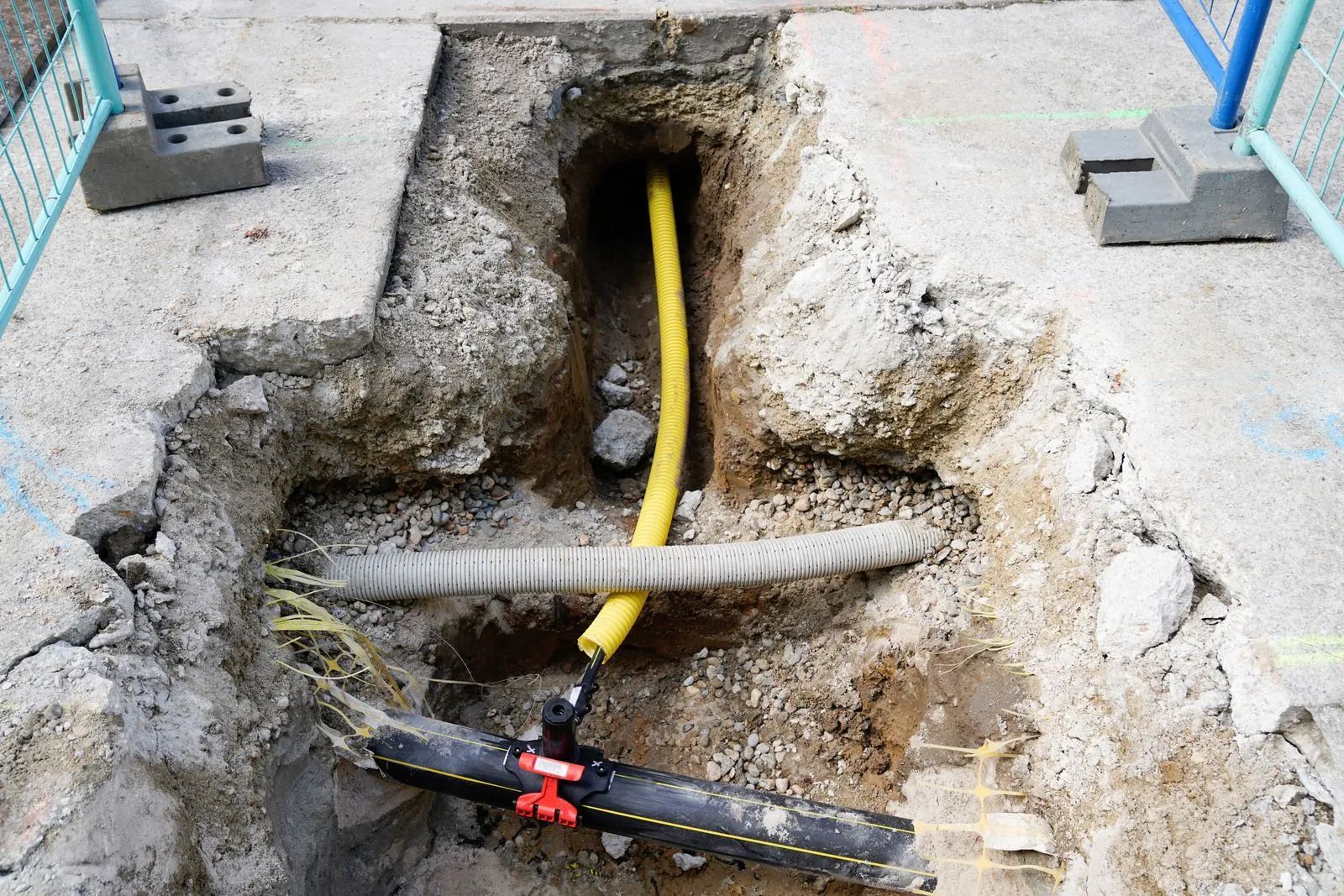
Once the break is pinpointed, there is usually more than one way to fix it, and the right choice depends on the pipe, its age, and where it sits.
Spot repair through the slab
For a single, well-located break in an otherwise sound line, the concrete can be opened at just that point, the damaged section replaced, and the floor closed back up. It is the most direct fix when the rest of the piping still has life in it.
Rerouting the line
When a pipe is old or has leaked more than once, running a new line up through walls or the ceiling to bypass the failed section below the slab is often the more durable answer. It takes the home off a length of pipe that has already proven it will keep failing.
Tunneling under the foundation
When the leak needs direct access but cutting through interior floors is not the best route, a controlled tunnel driven under the foundation reaches the pipe from below. That keeps living space and finished floors intact while the repair is made and tested.
Warning: Do not keep living on a confirmed slab leak while you decide what to do. Water running under the foundation erodes the soil that supports it, feeds mildew under your flooring, and only spreads the damage the longer it goes. Until the line can be evaluated, shut off the water heater and consider closing the main between uses so the hot line stops pushing water into the ground around the clock.
Frequently Asked Questions
Is a warm spot on the floor always a hot-water slab leak?
Not always, but it is the most common cause with no heat source nearby. A warm patch on tile with no vent or sunlight points strongly to a hot-water line leaking below, its heat rising through the concrete.
Can I keep using water until someone can look at it?
Limit it as much as you reasonably can. Every hour a pressurized line leaks, more water enters the soil under your foundation. Shutting off the water heater stops the hot line, and closing the main between uses limits it further.
How is a slab leak found without tearing up the whole floor?
Technicians use electronic listening, pressure testing, and thermal imaging to narrow the leak to a small area before any concrete is touched. That allows a targeted repair rather than opening large sections. The warm spot guides where they look.
Why do hot-water lines leak under the slab more than cold ones?
Hot lines heat and cool every time water runs, and that repeated expansion wears the pipe against the concrete and loosens connections. Hot water is also harder on the metal, so erosion and corrosion progress quicker than cold-side lines.
Does North Texas soil really make slab leaks more likely?
It plays a real part. The expansive clay under Fort Worth swells when wet and shrinks in dry spells, shifting the slab and stressing the pipes inside it. Add hard water, and local lines face more strain than elsewhere.
Could the warm or damp spot be something other than a leak?
Occasionally. Radiant heat from a duct, a sunlit floor, or a spill can mimic the signs briefly. A slab leak stays put with no explanation, often paired with a moving meter, higher bill, or musty smell.
Reading the Warmth Under Your Feet
A warm or wet spot on a slab floor is not a random quirk of an old house. It is heat and moisture rising off a pressurized line that has failed below the concrete, and on a slab home in North Texas that line is usually on the hot side, worn down by years of thermal cycling, hard water, and clay that will not hold still. The spot will not dry up or heal, because the pipe keeps pushing water into the ground every hour it runs. The sooner it is confirmed with a meter check and pinpointed with the right equipment, the smaller the repair and the less the water has a chance to work on your soil and your floors.
Have that warm or damp spot located before the water spreads — Catching a hot-water
slab leak
early is what keeps a small, targeted repair from turning into saturated soil and ruined flooring. Confluent Solutions
pinpoints the leak with electronic listening, pressure testing, and thermal imaging, confirms which line failed, and lays out honest options from a direct spot repair to rerouting or tunneling so the fix lasts. With 33-plus years of experience as slab-leak and tunneling specialists in Fort Worth, Texas, the focus stays on accuracy, minimal disruption, and a lasting solution. Reach out to schedule slab-leak detection and get the floor telling you nothing at all again.