
PEX or Copper? How to Choose the Right Repiping Material for Your Fort Worth Home
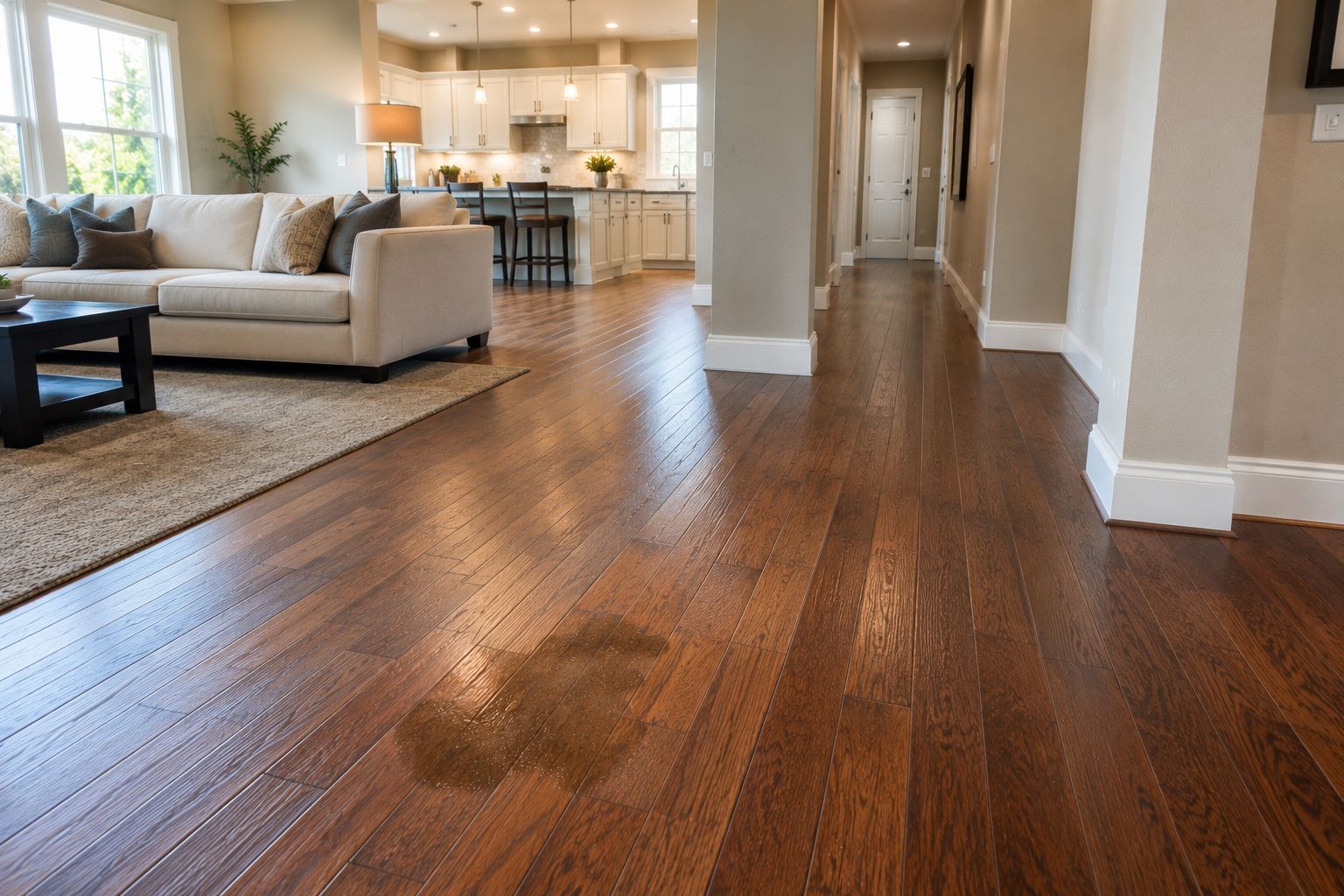
You have patched the same supply line twice in three years, and now a fresh damp spot is creeping across the kitchen floor. The last plumber mentioned a whole home repipe, and suddenly you are weighing two words you keep hearing all over town: PEX and copper. One plumber swears by copper. The next blames copper for what failed in your walls. No wonder the choice feels stuck.
Here is the part that cuts through the noise. There is no single correct pipe for every house. The right material depends on your home's age, whether it sits on a slab, and how North Texas water and weather treat each option over time. After opening hundreds of Fort Worth walls and slabs, we can tell you both work when matched to the home. Trouble starts when the wrong one gets picked.
The Short Version Before You Commit
Choose your repipe material around the three pressures that matter most here: ground movement, freeze risk, and water chemistry. PEX flexes with our expansive clay soil and tolerates a hard freeze far better, which is why it now goes into most repipes we run here. Copper still earns its spot in specific cases, mainly exposed outdoor runs and homes where you want the longest service life from a proven metal.
Why Material Choice Hits Harder in North Texas
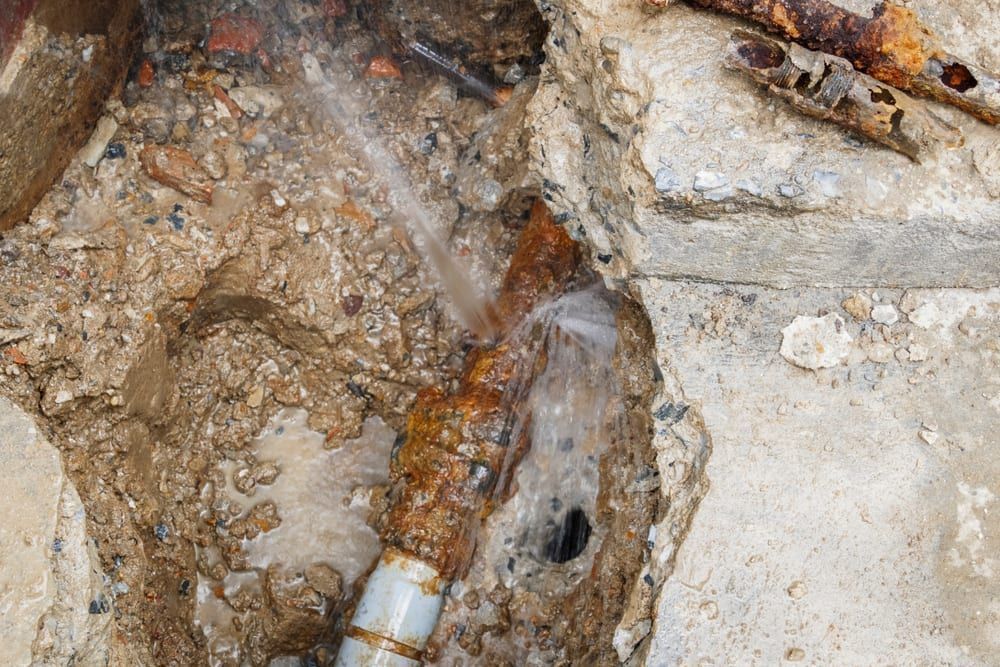
Our soil moves, and that movement decides more than people expect. Fort Worth sits on expansive clay that swells when wet and shrinks through the long dry stretches of summer. A slab can lift and settle by a noticeable margin in a single year, and that shift pulls on the pipes buried underneath. Rigid copper has limited give, and enough cycles of soil expansion can stress a joint until it weeps. That is how a slab leak begins in a home that never had trouble before.
PEX answers that pressure with flexibility. A single run can reach a fixture with few or no joints between, and fewer buried joints means fewer points that fail when the ground shifts. On repipe calls across older Fort Worth neighborhoods, we frequently find the original copper failing right at a fitting buried in concrete, where movement concentrates the stress.
What PEX Brings to a Fort Worth Repipe
PEX wins most repipes here on freeze tolerance and disruption. When water freezes it expands by roughly nine percent, and that force is what splits a frozen line. PEX stretches as the ice forms and often survives a freeze that would rupture copper outright. After the hard freezes of recent winters, that one property has saved a lot of ceilings.
Installation is the other advantage. Because PEX bends around corners, we route new lines through walls and attics with far less demolition than copper demands. A typical single story home can be repiped in two to three days. PEX also runs quieter, since it absorbs the pressure surges that make copper bang inside the walls. The limits are narrow: PEX should stay out of direct sunlight and needs protection from rodents in the attic.
Where Copper Still Earns Its Place
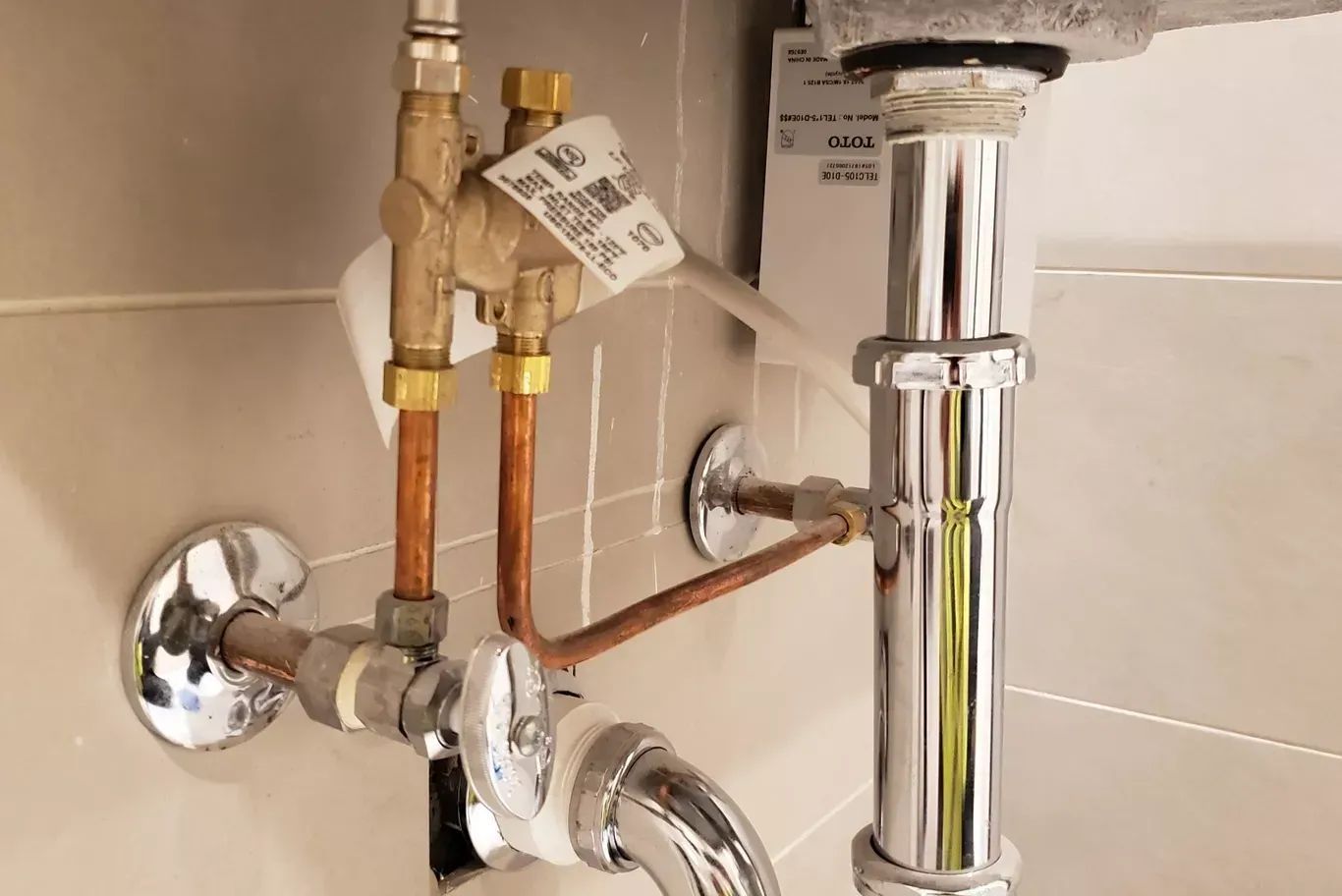
Copper remains the stronger pick for exposed and high heat runs. It shrugs off sunlight and tolerates higher temperatures than plastic tubing, which makes it the right call for certain water heater connections and exterior runs. A well installed copper system can serve a home fifty years or more, which is why many homeowners still want it.
The honest tradeoff is corrosion. Copper reacts with aggressive water chemistry over time, and that reaction can open pinhole leaks years down the road. On inspections we sometimes find copper that looks fine outside while the wall has thinned from within. That is the failure copper owners rarely see coming.
PEX Versus Copper at a Glance
| Factor | PEX | Copper |
|---|---|---|
| Slab and soil movement | Flexes with shifting clay, fewer buried joints | Rigid, joints stressed by ground movement |
| Freeze resistance | Expands with ice, often survives a hard freeze | Splits when frozen water expands inside |
| Water chemistry | Resists scale and corrosion buildup | Vulnerable to pinhole leaks over time |
| Typical service life | Around forty to fifty years | Fifty years or more when conditions allow |
| Install disruption | Less demolition, two to three days common | More invasive, longer timeline |
| Outdoor and high heat runs | Not suited to direct sun exposure | Handles sun, weather, and higher temperatures |
How Our Water and Weather Tip the Scale
Local water chemistry shapes which material lasts here. North Texas tap water runs hard, carrying a heavy mineral load from the reservoirs that feed the area. Hard water scales any pipe, but on copper it drives slow interior corrosion that thins the wall and opens a pinhole. PEX does not react with that mineral content the same way, so it sidesteps the slow death we see in older copper systems around Fort Worth.
Then there is the weather swing. Summers bake the clay dry and pull foundations down, while a hard winter freeze loads the system the opposite way. Few regions stress a home's plumbing through that much movement and temperature change in one year, the strongest argument for a material that bends instead of cracking.
Matching the Material to Your Home
Start with what is failing and where your pipes live. If you are fighting repeat slab leaks under aging copper, a PEX repipe solves the root problem rather than chasing one leak after another. If your concern is an exposed exterior line or a hot water heater connection, copper still makes sense there. Many systems we install combine both: PEX through the walls and slab, copper where heat or sun demands it.
Be honest about the age of your plumbing too. A home with original copper or older galvanized pipe is telling you, leak by leak, that the whole system is near its end. Patching one section buys time, but the rest of the line is the same age and the same wear. The way to tell the difference is the pattern. One leak is an event. A second and third in different rooms is a system asking to be replaced.
Mistakes We See During Repipe Planning
The most common error is choosing a material on reputation alone. Plenty of homeowners insist on copper after growing up hearing it was the gold standard, then watch it pinhole again because nobody accounted for local water or slab movement. The fix is to choose around your actual conditions, not a memory.
The second mistake is repiping only the section that leaked. Fixing the failure in front of you feels reasonable, but tying new pipe into decades old line just moves the next failure down the wall. When the rest shares the same age and stress, a partial repipe disappoints within a year.
Frequently Asked Questions
Is PEX safe to use for our drinking water?
Yes. Modern PEX is made for potable water and carries clean water reliably to every fixture in your home. Any early taste concern fades once the line is flushed, so we run the new tubing briefly before you first turn it on, clearing any residue.
How long does a whole home repipe usually take?
A typical single story Fort Worth home repiped in PEX usually finishes within two to three days, including the wall openings and patching afterward. Copper runs longer because it demands more access and more soldered joints, which stretches the working timeline noticeably for our crew.
Does our hard North Texas water damage copper faster?
It can. The heavy mineral load in local water gradually corrodes copper from the inside, thinning the wall until a pinhole opens, often years before any visible sign. PEX does not react with that mineral content the same way, so it avoids this slow failure.
Can we mix PEX and copper in one system?
Yes, and we often do. PEX handles the runs through walls and under the slab, while copper covers exposed exterior lines and hot connections near the water heater. Joined with the correct transition fittings, the two materials work together reliably for decades inside one home.
Will PEX survive another hard Texas freeze?
It holds up far better than copper. PEX stretches as freezing water expands inside it, so it often endures a freeze that would split rigid copper. We still recommend insulating any vulnerable run, since no pipe is fully freeze proof once temperatures drop sharply outside.
Schedule Trusted Repiping Guidance From Fort Worth Experts
Whatever the pattern in your walls, the principle holds: match your repiping material to how your home actually behaves, not to reputation or a single leak. That matters more in Fort Worth than most places, because our shifting clay soil, hard water, and swing from baking summers to hard freezes punish the wrong choice fast. At Confluent Solutions, we have spent more than 33
years
repiping
homes through exactly these conditions across Fort Worth, Texas. If you are weighing PEX against copper, reach out and we will walk your home, read the pattern, and recommend the right material.