
Do You Need Whole-House Repiping? Common Pipe Problems Most Homeowners Ignore
Plumbing systems play a critical role in the safety, comfort, and functionality of every home, yet most homeowners rarely think about their pipes until major problems appear. Water supply lines hidden behind walls, beneath floors, and above ceilings quietly age over time while corrosion, mineral buildup, leaks, and pressure fluctuations slowly weaken the system. Small warning signs such as discolored water, recurring leaks, low water pressure, unusual pipe noises, or rising utility bills are often dismissed as minor inconveniences instead of indicators of widespread plumbing deterioration. Ignoring these problems can lead to costly water damage, mold growth, structural deterioration, and unexpected plumbing emergencies that disrupt daily life and require expensive repairs. In many cases, homeowners do not realize the extent of plumbing damage until walls are opened or water damage becomes visible inside living spaces. Delayed action can also place additional strain on water heaters, appliances, and fixtures connected to the plumbing system, increasing overall repair and replacement costs throughout the property.
Whole-house repiping has become an increasingly important solution for aging residential plumbing systems, especially in older homes with outdated pipe materials or recurring plumbing failures. Modern repiping services improve water flow, reduce leak risks, and support long-term plumbing reliability throughout the property. Understanding when isolated pipe repairs are no longer enough helps homeowners make informed decisions before serious damage develops. By recognizing the common pipe problems many homeowners overlook, property owners can better protect their homes, improve water quality, and avoid repeated repair costs that continue to escalate over time. Repiping also allows homeowners to modernize aging infrastructure before major plumbing emergencies interrupt daily routines or cause extensive property damage. With proper planning and professional installation, updated plumbing systems can provide stronger performance, improved efficiency, and greater peace of mind for many years ahead.
Understanding What Whole-House Repiping Really Means
Replacing More Than Just Damaged Sections
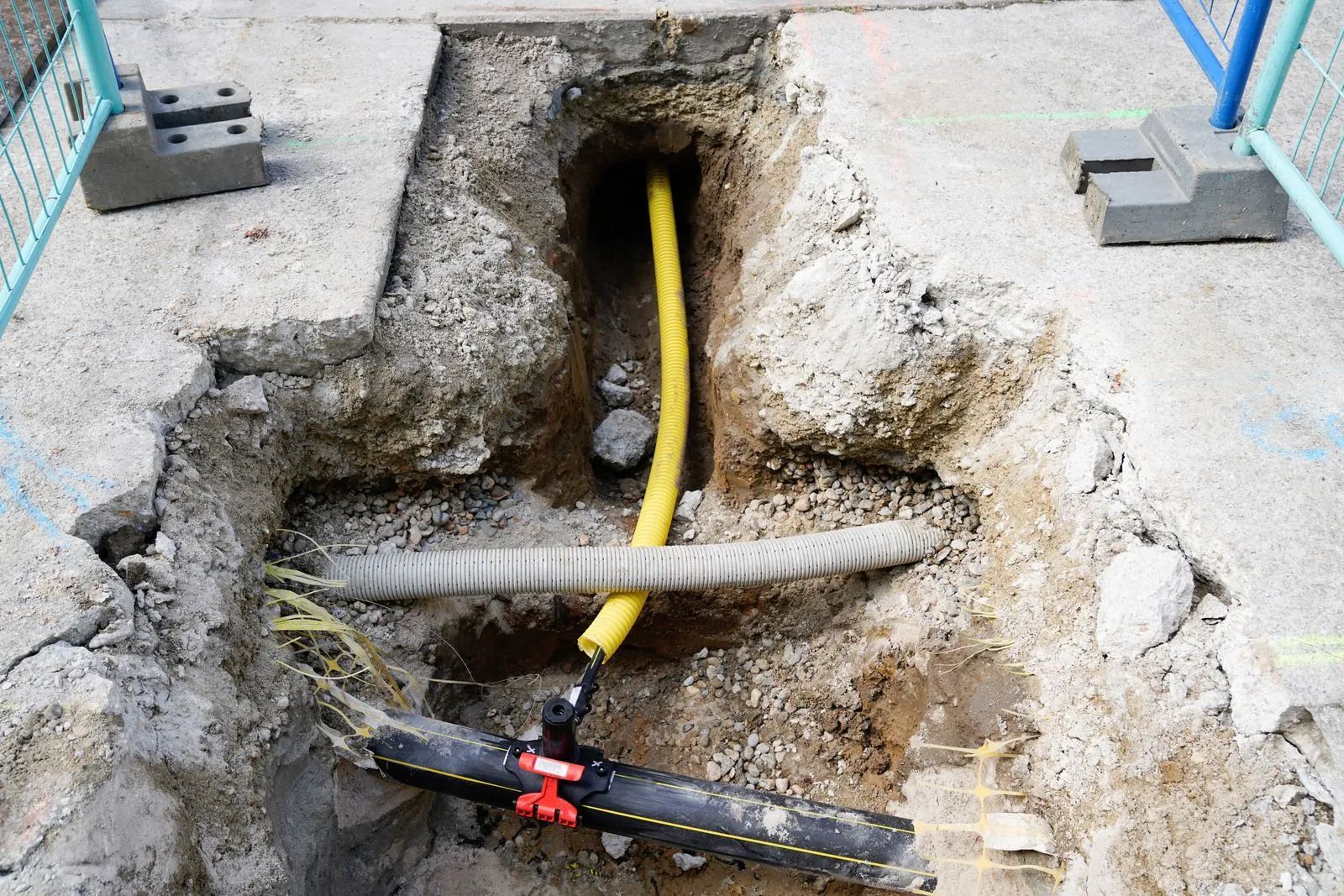
Whole-house repiping involves replacing the main water supply pipes throughout a residential property instead of repairing isolated sections repeatedly. Many homeowners assume occasional leaks can simply be patched indefinitely, but older plumbing systems often deteriorate in multiple areas at the same time. Once pipes begin failing in several locations, isolated repairs may only provide temporary relief while hidden problems continue spreading behind walls and beneath floors.
Repiping projects commonly include replacing hot and cold water lines connected to bathrooms, kitchens, laundry rooms, water heaters, and exterior plumbing fixtures. Modern materials such as PEX and copper are frequently used because they offer improved durability, better corrosion resistance, and longer service life compared to aging galvanized steel or polybutylene piping systems.
Why Older Homes Face Greater Plumbing Risks
Homes built decades ago often contain plumbing materials no longer considered reliable for long-term residential use. Galvanized steel pipes, for example, gradually corrode internally, restricting water flow and introducing rust particles into household water supplies. Polybutylene pipes, widely installed in certain construction periods, became known for cracking and sudden failures under normal water pressure conditions.
Many homeowners continue repairing individual leaks without realizing the entire system may already be nearing the end of its usable lifespan. Repeated repairs can become financially draining while increasing the likelihood of hidden water damage developing inside walls and ceilings. Understanding the age and condition of the plumbing system helps homeowners evaluate whether complete repiping offers a more practical long-term solution.
Common Pipe Problems Homeowners Often Ignore
Recurring Leaks Throughout The Home
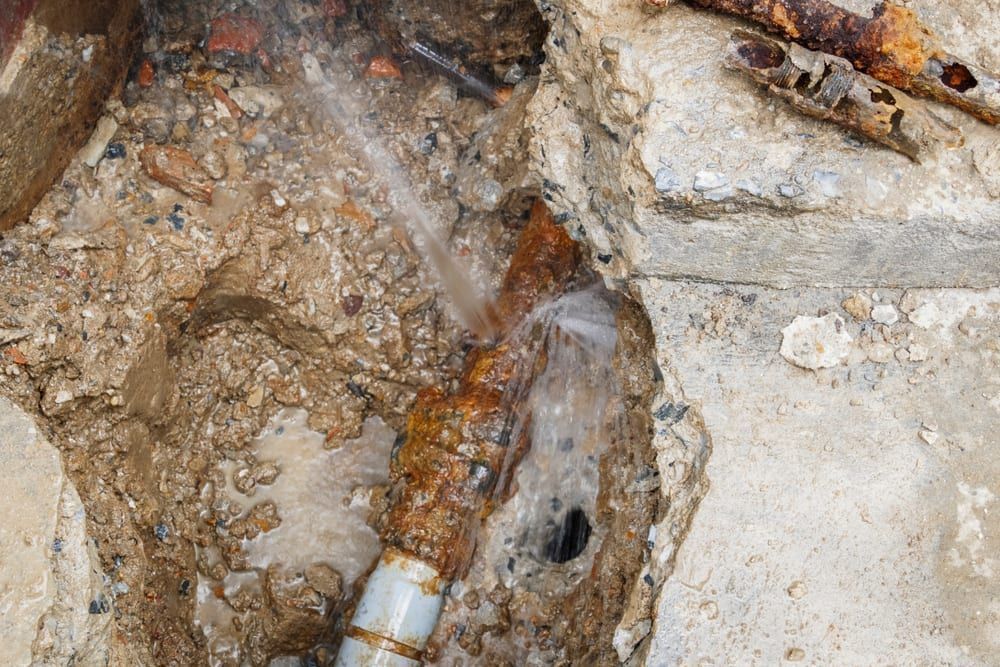
One of the clearest warning signs of a failing plumbing system is recurring leaks appearing in different areas of the home. A single leak may not indicate widespread deterioration, but repeated pipe failures often signal aging materials, corrosion, or pressure-related damage affecting the entire system.
Some homeowners repeatedly repair isolated pipe sections while overlooking the broader issue causing those failures. Over time, repair costs continue adding up while the plumbing system weakens further. Even small leaks can damage drywall, insulation, flooring, and framing materials if moisture remains hidden for extended periods.
Discolored Or Rusty Water
Brown, yellow, or reddish water coming from faucets frequently points to internal pipe corrosion. Corroded galvanized pipes release rust particles into the water supply while narrowing the interior pipe diameter. This restriction reduces water flow and affects overall plumbing performance throughout the home.
Discolored water may initially appear only after faucets remain unused for several hours, causing homeowners to dismiss the issue temporarily. However, worsening corrosion can eventually create persistent water quality concerns and increase the risk of pipe failure. Water discoloration should never be ignored because it often indicates larger plumbing deterioration hidden within the system.
Low Water Pressure In Multiple Fixtures
Low water pressure is commonly blamed on municipal water supply issues or fixture-related problems, but aging pipes are often responsible. Mineral buildup, internal corrosion, and narrowing pipe interiors reduce water flow throughout the property.
When low pressure affects multiple sinks, showers, or appliances simultaneously, the issue may involve the entire plumbing network rather than a single fixture. Weak water pressure impacts everyday activities such as bathing, cleaning, cooking, and laundry while signaling deeper plumbing restrictions developing inside older pipes.
Unusual Pipe Noises
Banging, rattling, whistling, or vibrating pipes can indicate pressure imbalances, loose pipe connections, trapped air, or deteriorating plumbing components. Some homeowners dismiss these sounds as harmless household noises, but persistent pipe noises often reveal underlying stress within the plumbing system.
Ignoring unusual sounds may allow pressure-related damage to worsen over time, increasing the risk of leaks or pipe bursts. Professional plumbing inspections help determine whether the noises stem from isolated issues or larger system-wide concerns requiring more comprehensive solutions.
The Hidden Damage Caused By Aging Pipes
Structural Water Damage Behind Walls
One of the biggest dangers associated with deteriorating pipes is hidden water damage occurring behind finished surfaces. Small leaks inside walls often remain unnoticed for months because the moisture spreads slowly through insulation, drywall, wood framing, and flooring materials.
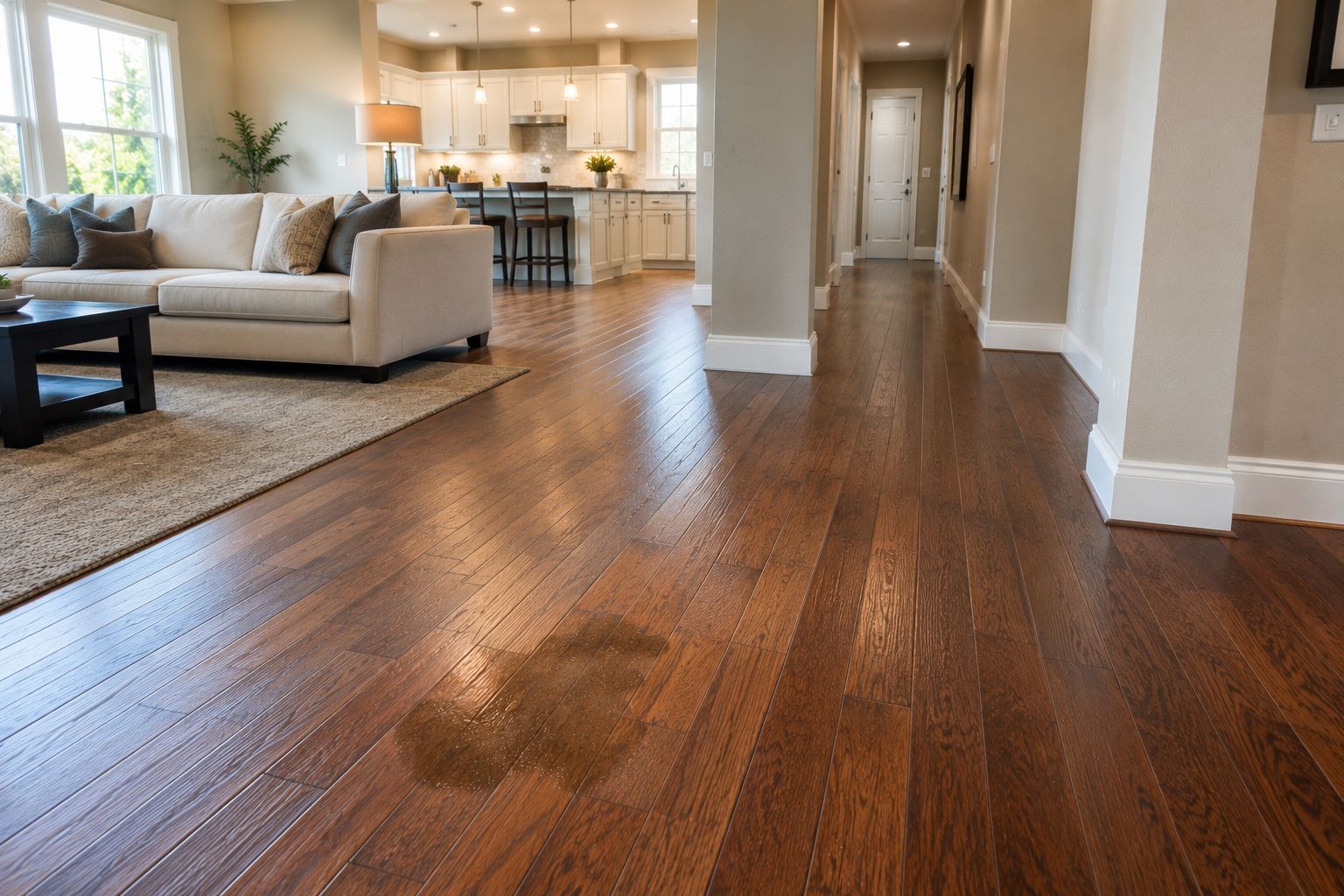
Homeowners may eventually notice peeling paint, bubbling drywall, warped flooring, ceiling stains, or musty odors after extensive damage has already occurred. Hidden leaks also increase repair costs because restoring structural materials frequently becomes necessary in addition to plumbing repairs.
Mold Growth And Indoor Air Concerns
Persistent moisture from leaking pipes creates ideal conditions for mold growth inside enclosed spaces. Bathrooms, kitchens, crawl spaces, and wall cavities become especially vulnerable when water intrusion continues undetected.
Mold exposure may contribute to indoor air quality concerns and create unpleasant odors throughout the home. In severe cases, extensive remediation may be required to remove contaminated materials and restore healthy indoor conditions. Preventing long-term moisture exposure through timely plumbing upgrades helps reduce these risks significantly.
Increased Utility Costs
Aging plumbing systems often waste substantial amounts of water through hidden leaks, inefficient flow patterns, and damaged pipe connections. Even minor leaks can increase monthly utility expenses when left unresolved over long periods.
Some homeowners notice unexplained spikes in water bills without realizing the plumbing system may be leaking behind walls or beneath the foundation. Whole-house repiping helps reduce unnecessary water loss while improving plumbing efficiency and long-term reliability throughout the property.
Choosing The Right Time To Consider Repiping
Planning Before Major Failures Occur
Waiting for catastrophic pipe failures often leads to more extensive property damage and higher restoration costs. Proactive repiping allows homeowners to address aging plumbing systems before emergencies disrupt daily life.
Scheduling repiping projects during planned renovations or remodeling work can also minimize disruption because walls and access points may already be opened for construction purposes. Strategic planning helps homeowners complete plumbing upgrades more efficiently while protecting surrounding finishes.
Working With Experienced Plumbing Professionals
Accurate plumbing evaluations are essential when determining whether repiping is necessary. Professional inspections help identify pipe materials, corrosion levels, leak patterns, water pressure issues, and overall plumbing condition throughout the property.
Experienced plumbers assess both visible and hidden plumbing concerns before recommending repair or replacement options. Clear communication, detailed inspections, and long-term planning help homeowners make informed decisions based on the actual condition of the plumbing system rather than temporary surface symptoms alone.
Dependable Repiping Services From Trusted Plumbing Professionals
Ignoring recurring plumbing problems can allow hidden damage, water waste, and costly repairs to escalate over time. Aging pipes often show subtle warning signs long before major failures occur, making early evaluation an important part of responsible home maintenance. Recurring leaks, discolored water, low water pressure, unusual noises, and rising utility costs all point toward plumbing issues that may extend throughout the entire system rather than isolated areas alone. Whole-house repiping offers homeowners a proactive solution that improves plumbing reliability, water quality, and long-term property protection while reducing the stress associated with repeated emergency repairs.
At Confluent Solutions, we bring more than 33
years of plumbing experience serving homeowners throughout Fort Worth, Texas, and surrounding communities. Our focus remains on helping property owners identify hidden plumbing concerns before they become major structural and financial problems. We provide detailed plumbing evaluations, honest recommendations, and reliable repiping solutions designed around long-term residential performance. Whether homeowners are dealing with aging galvanized pipes, recurring leaks, water pressure concerns, or outdated plumbing systems, we work to deliver dependable solutions that support safer and more efficient homes. Our commitment to quality workmanship, professional service, and lasting plumbing reliability continues to make us a trusted resource for residential plumbing needs throughout the region.