Slab Leak Repair: Reroute, Tunnel, or Break the Floor? How It's Decided
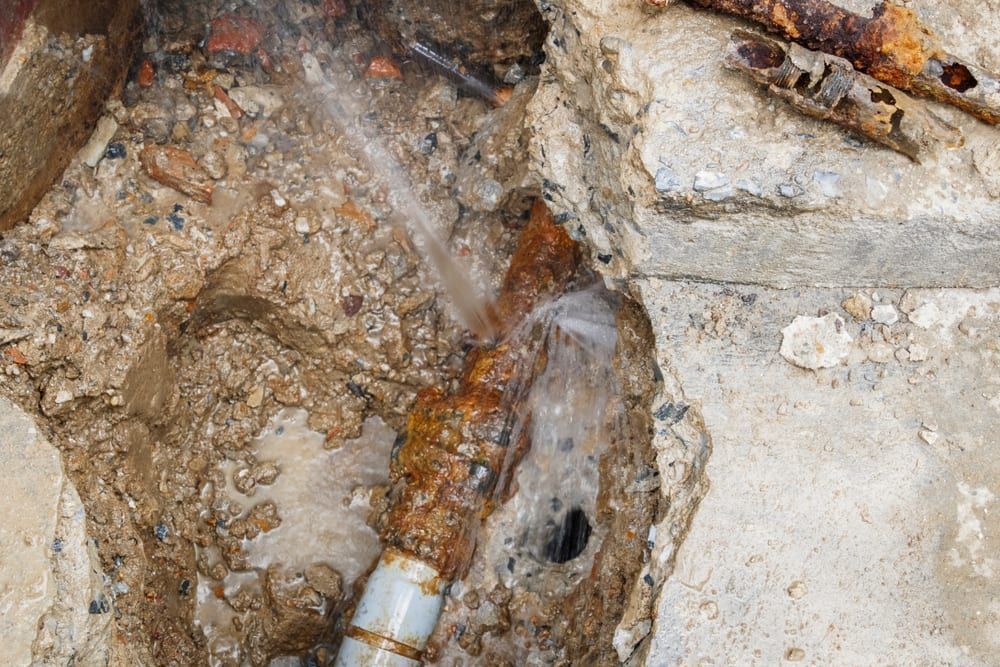
Quick Answer: A slab leak is repaired one of three main ways: rerouting the line through the walls or attic, tunneling under the foundation to reach the pipe, or breaking through the floor directly above the leak. The choice depends on where the leak sits, what is on top of it, how much of the pipe is worn out, and how the slab is built. A good plumber locates the leak first and picks the method second, never the other way around.
The leak has been confirmed. Maybe it was the water meter spinning with every faucet off, or the warm patch near the hallway, or the sound of water that only shows up at night. Someone came out, listened to the slab, and marked an X on your floor in blue tape. Now you are standing in the kitchen looking at that X, and the real question lands: how are they going to get to it?
Most homeowners picture a jackhammer in the living room. That is one option, but it is not the only one, and in a lot of Fort Worth homes it is not the best one. The three main approaches each solve the same problem in a different way, and each one trades something. Knowing how the decision gets made helps you ask better questions and recognize a plan that fits your house instead of a plan that fits the contractor's schedule.
Why There Is More Than One Way to Fix a Slab Leak
When a pressurized line under your slab fails, you have two separate problems. The first is the broken pipe. The second is the route to reach it, or around it. Concrete sits on top of the pipe, soil sits beneath it, and your flooring, cabinets, and walls sit above all of it. Every repair method is really an answer to the question of which of those layers gets disturbed.
In North Texas the question carries extra weight. Fort Worth homes sit on expansive clay that swells in wet seasons and shrinks hard in dry ones. A pipe that failed because the ground moved around it is a pipe sitting in soil that will keep moving. Repairing only the failed inch and walking away is sometimes right, and sometimes it just sets up the next failure a few feet down the same line. That is why the decision is never only about the single hole in the pipe. It is about the pipe, the soil, and the house together.
Option One: Rerouting the Line Around the Slab
Rerouting means the damaged line under the slab is shut off and left in place, and a new line is run from the same starting point to the same destination along a different path. That path usually goes through the attic, down through wall cavities, or along another protected route that never touches the concrete.
Where Rerouting Makes The Most Sense
Rerouting fits leaks under areas you want left untouched, like tiled bathrooms, kitchen islands, or stone floors. It is strongest when the slab pipe is worn throughout, since patching only buys time.
What You Gain
The old problem is bypassed entirely. New pipe sits in accessible space, so future issues become wall or ceiling repairs instead of foundation repairs, and your floors stay intact.
What You Give Up
New pipe must run through your walls and attic, which can leave drywall patches to finish. The route needs careful planning for protection, support, and insulation, especially in hot Texas attics.
Honest Limits
Rerouting does not suit every line. Drain lines need continuous downhill slope, so it mostly applies to pressurized supply lines. Drain problems under slabs usually require direct access.
Option Two: Tunneling Under the Foundation
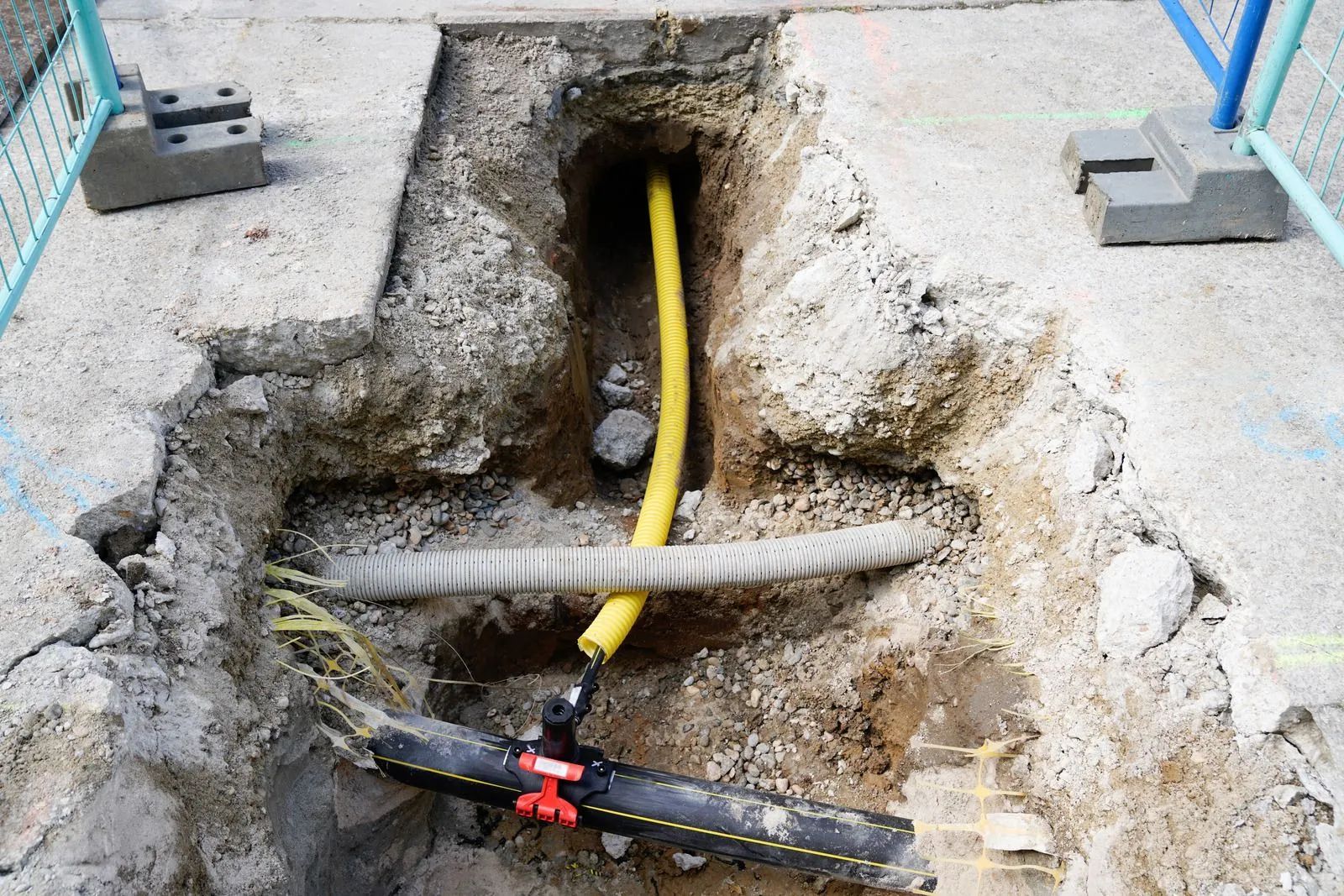
Tunneling gets to the pipe from outside the house. A crew digs an access pit outside the foundation, then works inward beneath the slab in a small tunnel until they reach the leak. The repair happens underneath, and the floor above is never cut.
Where Tunneling Makes The Most Sense
Tunneling suits leaks beneath finished floors, furniture, or frequently used rooms. It preserves interiors when only one damaged pipe section requires replacement.
How It Actually Works
Crews excavate a supported tunnel beneath the foundation, expose damaged piping, install replacements, and pressure test connections. Careful backfilling restores firm, even soil support.
What You Gain
Tunneling keeps interior spaces cleaner, avoiding broken concrete, dust, and damaged flooring. Families can often remain home while repairs take place outside.
What You Give Up
Tunneling requires skilled crews who understand soil conditions. Clay may hold shape better than sand, but moisture, tunnel length, and stability affect complexity.
Tip: Before the repair is chosen, ask where the nearest exterior wall is relative to the leak marking. The shorter the distance from the outside to the leak, the more attractive tunneling becomes.
Option Three: Breaking the Slab Directly Above the Leak
This is the method everyone pictures. The plumber cuts and removes a section of concrete right over the leak, repairs the pipe, and the concrete is poured back and finished.
Where Breaking The Slab Makes The Most Sense
Direct slab breaking suits accessible leaks beneath unfinished floors, garages, utility rooms, or laundry areas. It also helps when tunneling is impractical or several nearby repairs require access.
What You Gain
Opening the concrete provides clear access to damaged piping and surrounding conditions. Plumbers can identify the failure, inspect neighboring pipes, and complete repairs with greater visibility.
What You Give Up
Breaking the slab affects everything above it. Flooring removal, dust, noise, and several days of disruption may follow, while matching discontinued flooring can prove difficult.
Warning: Do not let anyone start cutting concrete before the leak has been located with proper detection equipment. Opening a slab on a guess means you pay for a hole in the wrong place and still have a leak.
A Few Situations and the Method They Usually Point Toward
Real homes rarely match a textbook, but a few common patterns show how the logic plays out.
A leak shows up under the hallway of a house with hardwood floors, close to a wall facing the backyard. The pipe is a copper hot line, and the home is thirty years old. This often points to tunneling if the line is otherwise healthy, or rerouting if testing shows the rest of the line is worn.
A leak is found beneath the middle of a large tiled kitchen with an island and cabinets set over the slab. Cutting would mean removing cabinetry and tile. Tunneling can work if the distance is manageable, but rerouting through the attic frequently wins here, because it avoids both the tunnel length and the kitchen.
A leak is located under the garage or a utility room with a bare concrete floor. A direct break is usually the quickest and cleanest answer, since there is nothing to protect on top and access is simple.
A home has had a second slab leak on the same line within a few years. The pattern says the line itself is failing. Another spot repair treats the symptom, while rerouting treats the cause.
Why Testing Afterward Matters as Much as the Repair
Whatever route gets chosen, the job is not done when the new pipe is in. The repaired or rerouted line should be pressure tested and held under pressure long enough to prove it is tight. Water flow and pressure at the fixtures should be checked. If a tunnel was dug, the backfill should be firm and the soil beneath the foundation fully supported. If concrete was opened, it should be poured back properly and given time to cure before flooring goes back down.
Skipping the verification step is how a repair that looked fine turns into a second leak in the same place. A plumber who explains the testing plan before the work begins is usually a plumber who intends to stand behind it.
Protecting the Repair From Fort Worth Soil
Fixing the pipe does not change the ground it sits in. North Texas clay will swell and shrink again next season, and a repaired line has to live with that. Two habits help. Keep soil moisture around the foundation more even through the dry months, since steady moisture moves the clay less than a cycle of baked and soaked. And pay attention to the early signs, such as a bill that creeps up, a new warm spot, or the faint sound of running water, so that any future problem is caught while it is small.
If the home has older copper or other aging supply lines, it is also worth asking whether a larger plan makes sense. Sometimes one slab leak is the first notice that an entire system is approaching the end of its life, and rerouting the worst sections or repiping through accessible space is a calmer path than repairing leaks one emergency at a time.
Frequently Asked Questions
Do I have to break my floor to fix a slab leak?
No. Breaking the slab is only one option. Rerouting through walls or the attic and tunneling under the foundation both avoid cutting your floor. The choice depends on leak location and pipe condition.
Is tunneling safe for my foundation?
Yes, when an experienced crew does it. The tunnel is supported for safe work, and soil returns in firm, tamped layers so the concrete keeps even support. Poor backfill is the real risk.
Why would a plumber recommend rerouting instead of repairing the leak?
The pipe may be worn along its entire length, or opening the floor may cause more damage. Rerouting retires the problem line and places new pipe in accessible space for easier future repairs.
Can a slab leak under my kitchen or bathroom be fixed without removing the tile?
Often yes. Rerouting through the attic or walls and tunneling from outside both protect finished floors. The best choice depends on the leak’s distance from an exterior wall and pipe health.
How do I know the plumber chose the right method?
Ask how the leak was located, why the method fits your layout, and how the repair will be tested. A plan tied to your home’s diagnosis is a good sign.
Will the same leak come back after the repair?
Not at the repaired spot if the work is done and tested properly. The bigger question is whether surrounding pipe is worn. If so, rerouting or replacing more pipe prevents repeats.
Choosing the Slab Leak Repair That Fits Best
A slab leak does not have to mean a jackhammer in the living room. Rerouting, tunneling, and breaking the floor each solve the same problem by disturbing a different layer of the house, and the right choice follows from where the leak sits, what lies above it, and how healthy the rest of the pipe is. When the diagnosis comes first and the method second, the plan tends to fit the home instead of the schedule, so the repair lasts.
Confluent Solutions
has handled slab leaks in Fort Worth, TX for 33+ years, and the lesson from the expansive clay here holds steady: fixing one failed inch matters less than understanding the pipe, the soil, and the house together. Ask how the leak was located, why a method fits your layout, and how the repair will be tested. A plan that answers those questions plainly is usually the one worth trusting, and it leaves your home quiet and dry again.